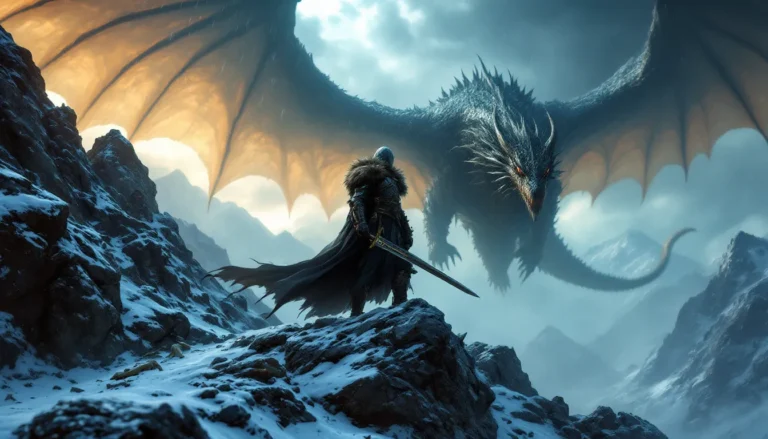

Skyrim’s world feels alive in ways few RPGs manage, and a massive part of that comes down to the voice talent breathing life into every guard, quest-giver, and dragon. Bethesda tapped Hollywood veterans, seasoned game actors, and versatile performers to create a cast that, even though being relatively small, delivered thousands of lines across hundreds of characters. From the gravitas of Max von Sydow as Esbern to the chilling tones of Alduin, the voice actors behind Skyrim turned what could’ve been generic NPCs into memorable personalities that players still quote over a decade later.
The game launched in November 2011, and its voice cast became part of gaming history. Whether you’re drawn to the wisdom of Paarthurnax, the dry wit of J’zargo, or the haunting presence of Hermaeus Mora, these performances shaped how players experienced the game. Let’s break down the talent behind the voices, who they are, what roles they played, and why their work still resonates in 2026.
Table of Contents
ToggleKey Takeaways
- Skyrim voice actors including Max von Sydow, Christopher Plummer, and Joan Allen—all Oscar-nominated talent—anchored the main narrative, setting an industry standard for high-profile casting in video game RPGs.
- Laura Bailey’s performance as Serana elevated the DLC companion experience with nuanced dialogue and emotional depth, making her one of the game’s most popular followers.
- Bethesda’s strategy of using 70+ versatile voice actors to voice over 1,000 NPCs allowed for thousands of voiced lines across hundreds of characters while managing production budgets effectively.
- Charles Martinet’s performance as Paarthurnax proved that players emotionally connect with characters through vocal work alone, making the ‘Paarthurnax Dilemma’ a lasting moral debate in gaming communities.
- Skyrim voice actors pioneered the use of constructed dragon language (Dovahzul) and layered vocal effects that created iconic, memetic moments like ‘Fus Ro Dah,’ demonstrating voice work’s cultural impact beyond gaming.
- The game’s approach to voice casting and character depth fundamentally influenced RPG industry standards post-2011, with developers now allocating 20-30% of budgets to voice acting and audio production.
The Main Character Voice Actors That Defined Skyrim
Bethesda didn’t mess around when casting the core narrative characters. They brought in three Oscar-nominated actors to anchor the main quest, giving the Blades and Greybeards a weight that elevated the entire storyline.
Max von Sydow as Esbern
Max von Sydow, the Swedish legend known for The Seventh Seal and The Exorcist, voiced Esbern, the paranoid Blades archivist hiding in the Ratway. Von Sydow’s performance gave Esbern a blend of fragility and determination, his voice trembles with years of fear, but hardens when discussing Alduin’s return. The casting choice signaled Bethesda’s ambition: they wanted gravitas, not just a placeholder voice.
Von Sydow recorded his lines remotely from Europe, which was common for high-profile talent. His work on Esbern remains one of the standout performances in the game, particularly during the Sky Haven Temple sequences where his delivery carries the weight of ancient Blades history.
Christopher Plummer as Arngeir
Christopher Plummer brought his theatrical pedigree to Arngeir, the eldest Greybeard who actually speaks. Plummer’s voice work gives Arngeir a measured, almost monastic quality, every word feels deliberate, which fits a character who rarely uses his voice due to the destructive power of the Thu’um.
Plummer passed away in 2021, but his performance in Skyrim stands as a testament to his versatility. He voiced Arngeir with restraint, never overselling the character’s power, which made moments when Arngeir raises his voice (literally shaking the halls of High Hrothgar) hit harder. Many players who mastered core mechanics remember the first meeting with Arngeir as a defining moment in the main quest.
Joan Allen as Delphine
Joan Allen, a three-time Oscar nominee, voiced Delphine, the last active Blade in Skyrim. Allen played Delphine with a hard edge, suspicious, driven, and unapologetic about her mission to destroy dragons. Her delivery during the Paarthurnax dilemma carries genuine conviction, which makes that moral choice feel more impactful even if players disagree with her stance.
Allen’s performance grounds Delphine as a soldier, not a diplomat. The clipped, no-nonsense tone she uses when giving orders or questioning the Dragonborn reinforces the character’s single-minded focus on eradicating dragons, even at the cost of alienating potential allies.
The Voice Behind the Dragonborn’s Shouts
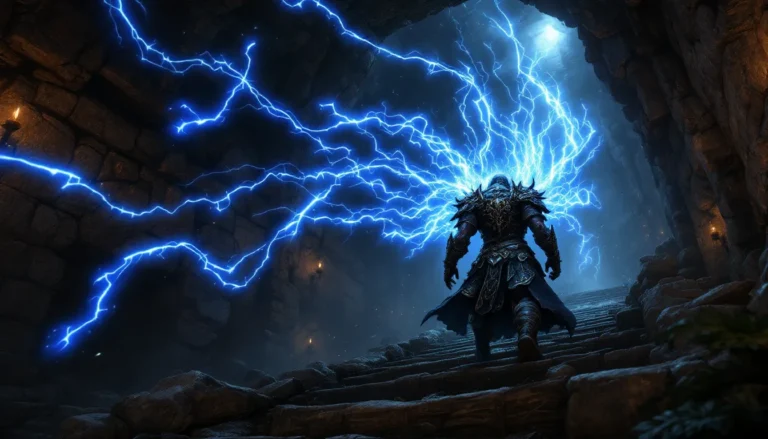
The Dragonborn doesn’t have traditional dialogue, but their voice is iconic thanks to the Thu’um. Daniel Riordan voiced the male Dragonborn’s shouts, while the female version was handled by different vocal talent for specific shouts like Fus Ro Dah.
Riordan’s work required delivering powerful, guttural dragon language that sounds ancient and destructive. Each shout, whether it’s Unrelenting Force, Fire Breath, or Storm Call, needed to feel like a primal force being unleashed. The layering and effects applied in post-production added to the impact, but the raw vocal performance had to sell the power.
Interestingly, the dragon language itself was created by Bethesda’s lore team, led by Emil Pagliarulo and Kurt Kuhlmann. Voice actors had to learn phonetic pronunciations of a constructed language, which added a layer of challenge beyond typical voice work. The shouts became so iconic that memorable moments like launching enemies off cliffs with Fus Ro Dah turned into internet memes that persist in 2026.
The Dragonborn’s voice also appears in brief grunts during combat, which were recorded separately to give the player character a physical presence during fights. These small touches, combined with the earth-shaking shouts, made the Dragonborn feel powerful without needing scripted dialogue.
Iconic Companion Voice Actors You Need to Know
Followers make or break the RPG experience, and Skyrim’s companion voice work ranged from serviceable to genuinely memorable. Some characters became fan favorites purely because of vocal performance.
Lydia and Other Housecarls
Colleen Delany voiced Lydia, the housecarl assigned to players after becoming Thane of Whiterun. Delany’s performance is understated, Lydia sounds dutiful, occasionally sarcastic (“I am sworn to carry your burdens”), and competent. That single sarcastic line became one of the most quoted in the game, turning Lydia into a meme and a beloved companion even though relatively limited unique dialogue.
Delany also voiced other housecarls across different holds, which is typical of Bethesda’s approach. The slight variation in tone for each character helps differentiate them, though players with hundreds of hours in-game start recognizing repeated voice patterns.
Serana and the Dawnguard DLC
Laura Bailey voiced Serana, the vampire daughter of Lord Harkon introduced in the Dawnguard DLC (released June 2012). Bailey’s performance stands out as one of the best in the entire game, Serana has more dialogue than most companions, and Bailey gives her depth, wit, and vulnerability. The performance according to industry reviews elevated Serana from a DLC companion to arguably the most popular follower in Skyrim.
Bailey brought nuance to Serana’s conflicted relationship with her family, her disgust at being turned into a vampire against her will, and her cautious optimism when traveling with the Dragonborn. The chemistry between Serana and the player character (even though the player being mostly silent) comes entirely from Bailey’s vocal work and timing.
Serana’s lines during exploration, commenting on locations, weather, or quests, add personality that vanilla companions often lack. Bailey recorded enough contextual dialogue that Serana rarely feels repetitive, even on long playthroughs.
J’zargo, Aela, and Fan-Favorite Followers
Jason Marsden voiced J’zargo, the Khajiit mage at the College of Winterhold who refers to himself in third person. Marsden plays J’zargo with confident ambition and subtle humor, making him a standout among College followers. His delivery of lines like “J’zargo is only Apprentice level, but not for long.” captures the character’s arrogance without making him unlikable.
Claudia Christian voiced Aela the Huntress, a core member of the Companions. Christian gave Aela a fierce, no-nonsense tone that fits a werewolf warrior. Her performance during the Companions questline, especially when discussing the beast blood, conveys pride and danger in equal measure. Players who focus on character builds often choose Aela for archer or werewolf playthroughs partly because her voice work fits the fantasy.
Other notable companion voices include Michael Gough as various male Nord followers and Corri English as several female followers. Bethesda’s small core cast meant these actors voiced multiple characters, which we’ll explore later.
The Villains and Antagonists: Voice Talent Behind Skyrim’s Dark Side
The antagonists in Skyrim needed voices that could carry genuine menace or, in some cases, tragic complexity. Bethesda cast actors who could deliver both.
Alduin the World-Eater
Daniel Riordan also voiced Alduin, the primary antagonist and literal World-Eater. Riordan’s performance gives Alduin an ancient, thunderous presence, every line is delivered in dragon language (Dovahzul) with English subtitles, which adds to the otherworldly threat. The voice is layered with effects to sound massive and echoing, reinforcing Alduin’s status as a god-like being.
Alduin’s dialogue during key battles, particularly the final confrontation in Sovngarde, uses Riordan’s vocal power to full effect. The shouts Alduin uses against the player are the same Thu’um words players use, but delivered with a different cadence that feels more primal and authoritative. Coverage from outlets like GameSpot praised the dragon voice work for adding genuine weight to encounters that could’ve felt like typical boss fights.
Paarthurnax: The Wise Dragon
Charles Martinet, best known as the voice of Mario, voiced Paarthurnax, the ancient dragon mentor living at the Throat of the World. Martinet’s performance is a 180 from his Nintendo work, Paarthurnax speaks slowly, thoughtfully, with a voice that sounds like wind over mountains. The gravelly, patient tone makes Paarthurnax feel genuinely wise rather than just exposition-dumping.
Martinet recorded Paarthurnax’s philosophical musings with careful pacing. Lines like “What is better, to be born good, or to overcome your evil nature through great effort?” land because of the delivery, not just the writing. The moral weight of the Paarthurnax dilemma, where Delphine demands you kill him, hits harder because Martinet made players care about the character through voice alone.
Pararthurnax speaks a mix of English and Dovahzul, and Martinet handled the dragon language with the same care as his English lines. The character became so beloved that the “Paarthurnax Dilemma” remains a common topic in Skyrim communities in 2026, with many players refusing to complete the Blades questline rather than kill him.
The Versatile Voice Actors Behind Multiple Characters
Skyrim features over 70 voice actors voicing more than a thousand NPCs. Some actors voiced dozens of characters, which is both a budget-saving measure and a logistical necessity for a game this size.
Why Bethesda Used a Small Core Cast
Bethesda’s approach to voice acting prioritizes variety in character types over individual uniqueness. Instead of hiring hundreds of actors for one-off NPCs, they hired versatile performers who could voice multiple races, genders (to some extent), and personality types. This meant players would hear the same voice on different characters, but the trade-off allowed Bethesda to include thousands of voiced lines across a massive open world.
The decision also reflects the technical reality of game development in 2011. Recording, editing, and implementing voice files for every NPC required streamlined workflows. Using a core cast of 70+ actors instead of 500+ made the project manageable while still providing more voice work than most RPGs of the era.
Players notice the repetition, especially with guards, who all share a handful of voice actors and repeat the same lines (“I used to be an adventurer like you…”). But the system works well enough that most players accept it as part of the Skyrim experience.
Notable Actors Who Voiced Dozens of NPCs
Michael Gough voiced a staggering number of male Nord characters, including Ulfric Stormcloak, the Jarl of Windhelm and leader of the Stormcloak rebellion. Gough’s range allowed him to differentiate Ulfric’s commanding, nationalist tone from generic soldier NPCs, even though players familiar with his voice can hear the similarities.
Lynda Carter, the original Wonder Woman, voiced several female Nords including Gormlaith Golden-Hilt (a spectral hero in Sovngarde) and various innkeepers. Carter brought warmth to her civilian characters and strength to her warrior roles, demonstrating why Bethesda hired versatile talent.
Keith Szarabajka voiced Mercer Frey, the treacherous Thieves Guild leader, along with numerous other male characters. His performance as Mercer is cold and calculating, which fits the character’s betrayal arc perfectly. Szarabajka also voiced Ancano, the Thalmor antagonist at the College of Winterhold, giving him an arrogant, dismissive tone that makes players want to fireball him.
Stephen Russell, a legendary game voice actor known for Garrett in the Thief series, voiced Clavicus Vile (a Daedric Prince), Barbas (Clavicus’s dog companion), Mercer Frey in some versions, and several other characters. Russell’s work on Barbas is particularly notable, voicing a talking dog with enthusiasm and personality without making it sound silly.
These actors recorded hundreds, sometimes thousands, of lines across multiple characters. The versatility required is immense, and the best performers made each major character feel distinct even though voicing a dozen other NPCs.
The Daedric Princes: Powerful Performances from the Realm of Oblivion
The Daedric Princes are god-like beings with distinct personalities, and their voice actors had to convey power, madness, and otherworldly presence. Bethesda cast experienced talent who understood how to voice non-human entities.
Sheogorath and the Return of Wes Johnson
Wes Johnson reprised his role as Sheogorath, the Daedric Prince of Madness, from Oblivion. Johnson’s performance is gleefully unhinged, Sheogorath speaks in rapid shifts from jovial to threatening, with a manic energy that makes every encounter unpredictable. Lines like “You are the best Septim that’s ever ruled.” (a lore reference to the player character from Oblivion who mantled Sheogorath) are delivered with chaotic glee.
Johnson voiced multiple characters in Skyrim, but Sheogorath remains his signature role in the Elder Scrolls series. The performance works because Johnson commits fully to the madness without playing it safe. Sheogorath’s quest, “The Mind of Madness,” benefits enormously from Johnson’s vocal work, turning what could be a standard fetch quest into a memorable showcase of personality.
Johnson also voiced several Imperial characters and Hermaeus Mora in some early trailers, though the final in-game version used a different actor.
Hermaeus Mora, Nocturnal, and Other Princes
Hermaeus Mora, the Daedric Prince of Knowledge introduced in the Dragonborn DLC (December 2012), was voiced with an otherworldly, multi-layered effect that sounds like multiple voices speaking at once. The performance is deliberately unsettling, Hermaeus Mora speaks slowly, with pauses that feel like he’s choosing each word from infinite possibilities. The vocal layering creates a Lovecraftian horror vibe that fits the Prince’s association with forbidden knowledge.
Nocturnal, the Daedric Prince of Night and patron of the Thieves Guild, was voiced with a sultry, echoing tone that conveys both seduction and danger. Her appearance during the Thieves Guild questline is brief but memorable, partly because of the vocal performance that makes her sound ancient and powerful.
Sanguine, the Prince of Debauchery, appears in “A Night to Remember” and is voiced with a jovial, party-loving tone that fits the quest’s comedic chaos. The voice work sells the character as a trickster god who enjoys messing with mortals for entertainment.
The Daedric Princes collectively represent some of the best voice work in Skyrim. Each performance conveys power without relying on volume, these are gods who don’t need to shout to be intimidating. The vocal effects and actor choices combine to make each Prince feel distinct and memorable, even with limited screen time.
How Skyrim’s Voice Acting Changed the RPG Industry
Skyrim’s voice work set a new standard for open-world RPGs in 2011, influencing how developers approached vocal performance, budget allocation, and character depth in the years that followed.
Before Skyrim, many RPGs still used text-only dialogue for a significant portion of NPC interactions. Morrowind (2002) had almost no voice acting, while Oblivion (2006) introduced full voice acting but with noticeable quality and repetition issues. Skyrim refined the approach: a manageable cast voicing thousands of lines, with Hollywood talent anchoring key roles and experienced game actors filling out the world.
The success of Skyrim’s voice cast, particularly performances like Laura Bailey’s Serana and Charles Martinet’s Paarthurnax, demonstrated that players respond to strong vocal performances even in games where player dialogue is mostly silent. This influenced later RPGs like The Witcher 3 (2015), which invested heavily in voice talent for both main and side characters, creating a new expectation for AAA RPG production values.
Skyrim also popularized the use of A-list Hollywood talent for RPG side characters and DLC content. Games like Fallout 4 (2015, also by Bethesda) continued this trend with actors like Courtenay Taylor voicing the female protagonist. The practice became standard across the industry, with franchises like Destiny and Call of Duty routinely casting major film actors for in-game roles.
The game’s approach to building engaging worlds through voice work influenced how developers budget for audio. Analysis from Eurogamer noted that post-Skyrim, voice acting budgets for AAA RPGs increased significantly, with some games spending 20-30% of their total budget on vocal performance and audio production.
Skyrim’s memetic voice lines, “arrow in the knee,” “sworn to carry your burdens,” “Fus Ro Dah”, also demonstrated the cultural impact voice work could have. These lines spread far beyond the gaming community, becoming internet-wide phenomena that kept Skyrim in the cultural conversation for years after release.
By 2026, Skyrim’s influence on RPG voice work is foundational. Games are expected to have full voice acting, distinctive performances for major characters, and enough variety to avoid grating repetition. Skyrim didn’t invent these concepts, but it refined and popularized them to the point where they became industry standards.
Behind the Scenes: The Voice Recording Process for Skyrim
Recording voice work for a game the size of Skyrim required careful planning, technical expertise, and flexibility from both actors and developers. Bethesda’s process involved remote recording, extensive script preparation, and post-production effects that brought the world to life.
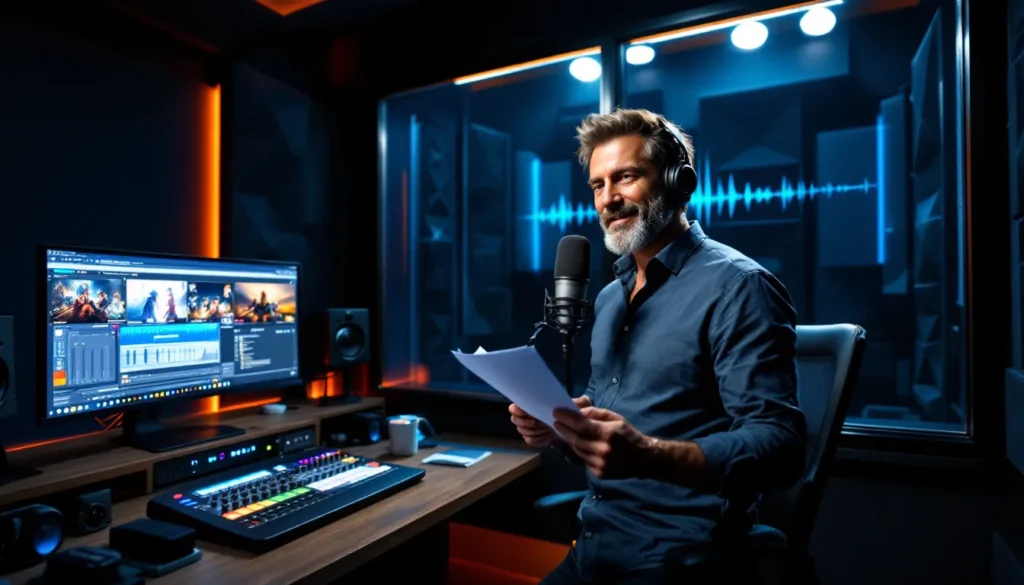
Bethesda recorded most of Skyrim’s dialogue between 2009 and 2011. Major Hollywood talent like Max von Sydow and Christopher Plummer recorded their lines remotely, often at studios near their homes, with Bethesda’s audio team directing via video conference. This allowed Bethesda to hire actors who wouldn’t normally work on video games due to scheduling or location constraints.
The core cast of game voice actors recorded at dedicated studios, often working through hundreds of lines in single sessions. Michael Gough, who voiced Ulfric Stormcloak and dozens of other characters, mentioned in interviews that he’d sometimes voice six or seven different characters in a single day, requiring rapid shifts in tone and delivery.
Scripts were organized by character, but actors often recorded lines without full context. A line might be used in three different quests with different emotional contexts, so actors had to deliver multiple reads of the same dialogue to give Bethesda’s implementation team options during editing.
Dragon language posed unique challenges. Voice actors received phonetic guides for Dovahzul, the constructed dragon language, and had to practice pronunciations to maintain consistency. Daniel Riordan, who voiced both Alduin and the Dragonborn’s shouts, worked closely with Bethesda’s lore team to nail the cadence and power of the Thu’um.
Post-production involved extensive layering and effects. Dragon voices were pitched down and layered with additional vocal tracks to sound massive and ancient. Daedric Princes received echoing effects and reverb to sound otherworldly. Environmental effects were added to outdoor dialogue to make voices sound natural in different spaces, a conversation in a cave sounds different from one in an open field.
Bethesda’s audio team, led by Mark Lampert, implemented a radiant dialogue system that triggered context-specific lines based on player actions, location, and game state. This meant actors recorded thousands of conditional lines (“Is that… fur? Coming out of your ears?” only plays if the player is a Khajiit) that players might never hear depending on their choices.
The recording process for DLC content like Dawnguard and Dragonborn followed similar workflows but benefited from lessons learned during the base game’s production. Laura Bailey‘s Serana had more recorded dialogue than most base game companions, reflecting Bethesda’s increased ambition for character depth in post-launch content.
By early 2026, Bethesda’s voice recording processes have evolved significantly with AI-assisted dialogue editing and real-time remote direction, but Skyrim’s 2011 production set many of the workflows still used in modern RPG development. The game’s voice work remains a case study in balancing scope, quality, and budget in open-world game design.
Conclusion
Skyrim’s voice cast turned a massive open-world RPG into a living, breathing world where even minor NPCs felt like people (or dragons, or gods) rather than dialogue dispensers. From Hollywood legends like Christopher Plummer and Max von Sydow to versatile game actors like Michael Gough and Laura Bailey, the talent behind these characters created performances that players still quote and remember in 2026.
The game’s approach to voice acting, balancing a small core cast with strategic use of high-profile talent, set standards that the RPG industry still follows. Whether you’re diving in for the first time or returning for your tenth playthrough, the voices of Tamriel remain one of Skyrim’s most enduring achievements. They proved that in a world where the player character rarely speaks, the voices around them matter more than ever.