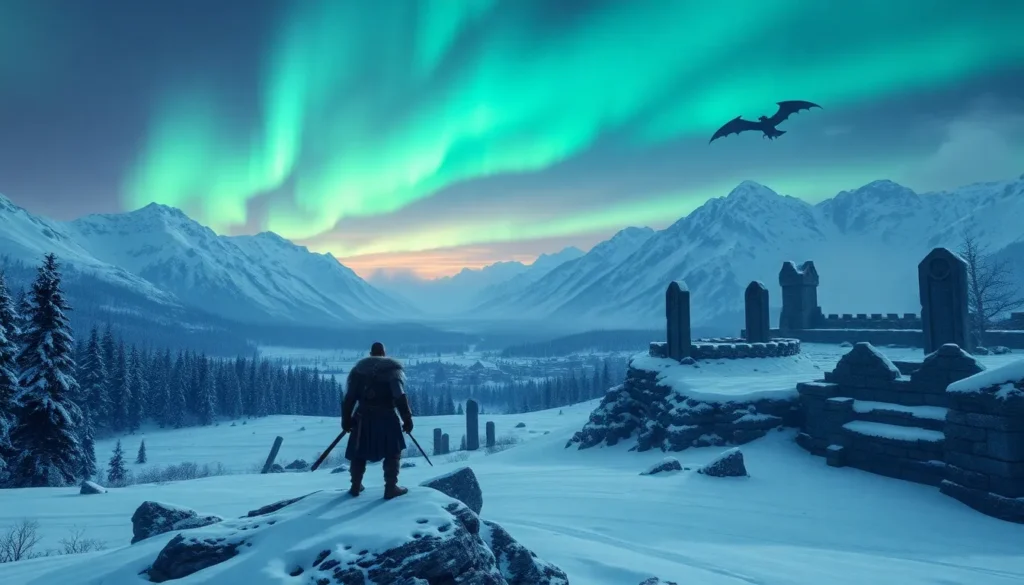

What is Skyrim? It’s the fifth main installment in Bethesda’s Elder Scrolls series and one of the most influential video games ever made. Released in November 2011, Skyrim dropped players into a frozen Nordic province filled with dragons, ancient ruins, and endless adventure. The game sold over 60 million copies worldwide, cementing its place in gaming history.
Skyrim offers hundreds of hours of exploration, combat, and storytelling. Players can become warriors, mages, thieves, or anything in between. The game’s open-world design lets people ignore the main quest entirely and forge their own path. This guide covers everything new players need to know about Skyrim, from its setting and gameplay to why it still captivates millions of players more than a decade after launch.
Table of Contents
ToggleKey Takeaways
- Skyrim is the fifth installment in Bethesda’s Elder Scrolls series, released in 2011, and has sold over 60 million copies worldwide.
- Players take on the role of the Dragonborn, a unique hero who can absorb dragon souls and use powerful shouts to defeat enemies.
- Skyrim features a classless progression system where using skills naturally levels them up, giving players complete freedom to build any character type.
- Four major faction questlines—Companions, Thieves Guild, Dark Brotherhood, and College of Winterhold—offer unique storylines and rewards.
- The game’s modding community offers over 70,000 mods, transforming Skyrim into a customizable platform with endless replayability.
- Skyrim’s open-world design and sandbox approach let players ignore the main quest entirely and create their own adventures.
The World and Setting of Skyrim
Skyrim takes place in the northernmost province of Tamriel, a continent in the Elder Scrolls universe. The land features snow-capped mountains, dense forests, frozen tundras, and ancient Nordic tombs. Nine major cities dot the landscape, each with its own culture, politics, and problems to solve.
The story begins with a civil war tearing the province apart. The Stormcloaks, led by Ulfric Stormcloak, fight for Skyrim’s independence from the Empire. Players can join either faction or ignore the conflict entirely. But the bigger threat emerges quickly: dragons have returned to the world after centuries of absence.
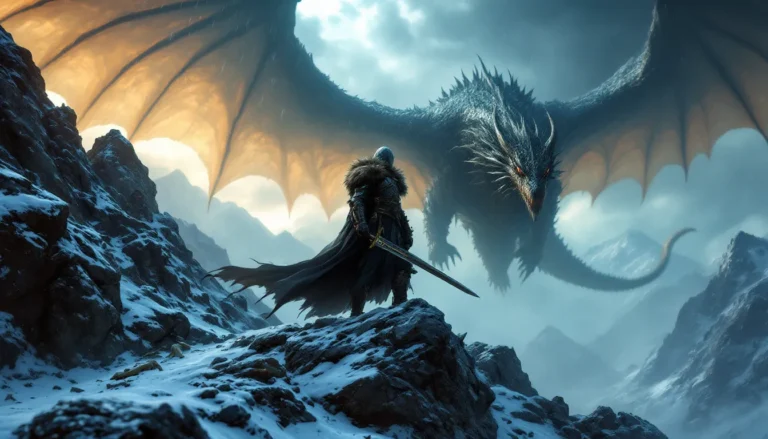
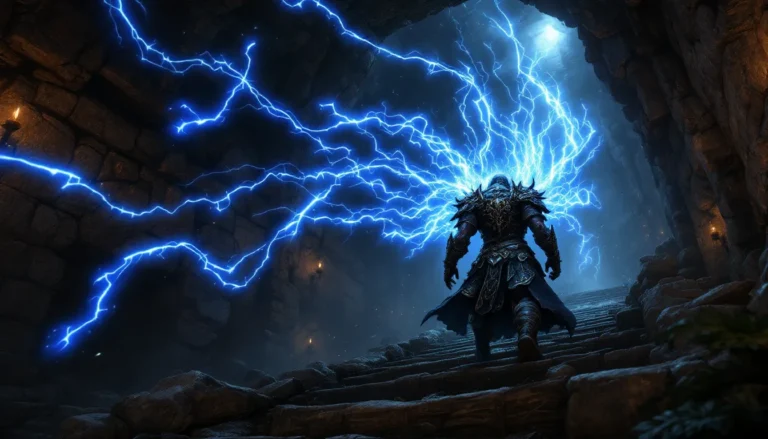
Players discover they are “Dragonborn,” a rare individual who can absorb dragon souls and use powerful shouts. These shouts are words of power in the dragon language, and they become essential tools throughout the game. The main quest involves stopping Alduin, a dragon prophesied to destroy the world.
Skyrim’s setting draws heavily from Norse mythology and Viking culture. The architecture, names, and customs all reflect this inspiration. Snow falls constantly in many regions, and the northern lights dance across night skies. The atmosphere creates a distinct sense of place that players remember long after putting down the controller.
Core Gameplay and Mechanics
Skyrim uses a first-person perspective by default, though players can switch to third-person at any time. Combat involves real-time sword swings, shield blocks, bow shots, and spell casting. Players can dual-wield weapons, mix magic with melee, or focus on stealth and archery.
The game features no class restrictions. A player who starts as a sword-wielding warrior can learn magic spells later. Someone focused on stealth can pick up heavy armor and two-handed weapons whenever they choose. This flexibility defines the Skyrim experience.
Quests come from nearly everywhere. Tavern keepers share rumors. Strangers on roads ask for help. Guild leaders offer storylines that span dozens of hours. The main quest takes roughly 30 hours to complete, but most players spend 100+ hours exploring side content.
Skyrim includes several major faction questlines:
- The Companions: A warrior guild in Whiterun with werewolf secrets
- The Thieves Guild: A criminal organization based in Riften
- The Dark Brotherhood: Assassins who worship the Night Mother
- The College of Winterhold: Mages studying arcane arts
Each faction offers unique rewards, storylines, and gameplay styles. Players can complete all faction questlines on a single character.
Character Creation and Progression
Character creation in Skyrim starts with choosing a race. Ten options exist, each with specific bonuses and abilities. Nords resist cold damage. High Elves get extra magicka for spellcasting. Khajiit are cat-people with night vision and unarmed combat bonuses. The choice matters early but becomes less significant as characters level up.
Skyrim uses a skill-based leveling system. Eighteen skills cover everything from one-handed weapons to speech to enchanting. Using a skill increases its level. When enough skills improve, the character gains an overall level.
Each level grants one perk point. Players spend these points in skill trees to unlock special abilities. A one-handed weapon tree might offer faster attack speed or bleeding damage. The sneak tree provides bonuses like silent movement and devastating sneak attacks.
The system rewards players for playing how they want. Someone who picks locks constantly becomes a master lockpick. A player who crafts potions develops alchemy skills naturally. This organic progression feels satisfying because it reflects actual playtime choices.
Skyrim removed the class system from previous Elder Scrolls games. Earlier titles like Oblivion forced players to pick major and minor skills at character creation. Skyrim trusts players to define their characters through actions, not menus.
Why Skyrim Remains Popular Today
Skyrim launched in 2011, yet millions still play it regularly. Several factors explain this longevity.
Mods transformed Skyrim into a platform rather than just a game. PC players access over 70,000 mods on sites like Nexus Mods. These add new quests, weapons, characters, graphics upgrades, and complete gameplay overhauls. Some mods create entirely new worlds within Skyrim’s engine. Console players gained mod access in 2016 with the Special Edition release.
Bethesda has re-released Skyrim multiple times. The Legendary Edition bundled all DLC. The Special Edition added improved graphics and mod support. The Anniversary Edition included Creation Club content. Each release introduced Skyrim to new audiences and platforms, including Nintendo Switch and VR headsets.
The game’s design respects player freedom. Few objectives are mandatory. Someone can spend 200 hours without touching the main quest. This sandbox approach gives Skyrim incredible replay value. Players create new characters with different builds, join different factions, and make different choices.
Cultural impact also sustains interest. “Arrow to the knee” became a viral meme. Skyrim appears constantly in gaming discussions. The Dragonborn theme song remains instantly recognizable. New players discover Skyrim through this cultural presence and add to its active community.
Skyrim proves that excellent game design ages well. The graphics may look dated, but the gameplay loop of exploration, combat, and character building still works. Players continue finding new things after hundreds of hours.