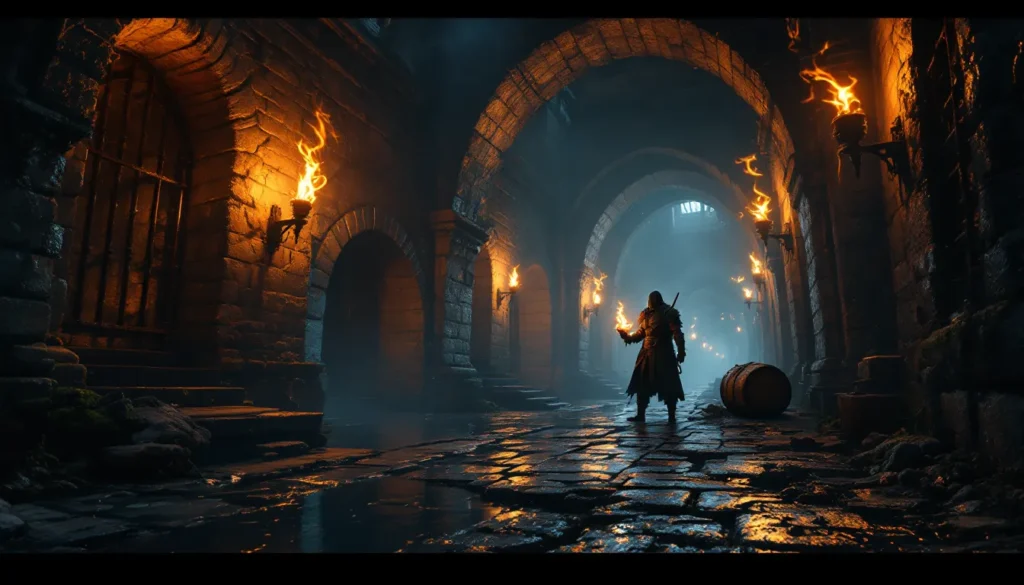

Skyrim’s sewers aren’t just dank corridors filled with skeevers and cobwebs, they’re gateways to some of the game’s most memorable quests, hidden loot, and atmospheric exploration. While Bethesda’s 2011 masterpiece is known for its sprawling overworld, the underground networks beneath cities like Riften, Solitude, and Windhelm offer a darker, more claustrophobic experience that rewards thorough exploration.
These subterranean areas serve multiple purposes: hideouts for the Thieves Guild, prisons for political dissidents, escape routes during critical quests, and treasure troves for players willing to navigate their hazards. Whether you’re a stealth archer hunting unique gear or a mage seeking rare alchemical ingredients, understanding Skyrim’s sewer systems will give you a significant advantage. This guide covers every major underground area, from the sprawling Ratway beneath Riften to Markarth’s notorious Cidhna Mine, complete with loot locations, enemy rosters, and tactical advice for making it out alive.
Table of Contents
ToggleKey Takeaways
- Skyrim sewers and underground dungeons beneath major cities like Riften, Solitude, Markarth, and Windhelm offer distinct gameplay experiences tied to questlines, unique loot, and atmospheric exploration rather than forming a unified interconnected network.
- The Ratway beneath Riften serves as the Thieves Guild headquarters and is Skyrim’s most extensive sewer system, featuring the Ragged Flagon tavern, lockable treasure chests, and essential skill books like The Doors of Oblivion.
- Cidhna Mine presents Skyrim’s most morally complex underground experience through The Forsworn Conspiracy quest, forcing players to make difficult choices between two no-win scenarios with lasting consequences for Markarth’s political landscape.
- Common sewer hazards including skeevers, vampires, pressure plate traps, and oil slicks require specific character builds and preparation strategies, with stealth archers and destruction mages being particularly effective in narrow underground corridors.
- Essential preparation for sewer exploration includes carrying 15-20 lockpicks, 3-5 cure disease potions, torches or light spells, and leveled healing items, while alchemical ingredients like skeever tails and glowing mushrooms can be harvested for significant Alchemy skill progression.
- Community mods like Sewers of Skyrim, Depths of Skyrim, and visual overhauls such as Enhanced Lights and FX dramatically expand the scope and atmosphere of Skyrim’s underground areas for players seeking extended content and modern lighting effects.
What Are the Sewers in Skyrim?
Understanding Skyrim’s Underground Network
Skyrim doesn’t have a unified sewer system like you’d find in some fantasy cities. Instead, each major hold capital features its own underground infrastructure, ranging from literal sewers and drainage systems to mines, catacombs, and dungeons that serve similar gameplay functions. These areas share common characteristics: tight corridors, limited lighting, environmental hazards, and a concentration of hostile NPCs or creatures.
The game treats these spaces as distinct dungeons rather than interconnected networks. You won’t find manholes scattered across cities that all lead to the same underground maze. Each location has specific entry points tied to quests or exploration, and they’re designed with unique layouts that reflect their narrative purpose. The Ratway functions as a criminal underworld, while Castle Dour’s dungeons serve as military detention facilities.
From a gameplay perspective, these underground areas offer verticality and environmental storytelling that contrasts with Skyrim’s open plains and mountain ranges. Bethesda used these spaces to create tension through confined combat encounters, stealth opportunities, and the occasional jump scare when a vampire lunges from the shadows.
Which Cities Have Accessible Sewers?
Five major cities feature significant underground areas that players can explore:
Riften has the most extensive sewer network, the Ratway, which stretches beneath the lower city and connects to the Thieves Guild’s headquarters. This is the most “sewer-like” location in the game, complete with fetid water and makeshift housing.
Solitude features the Castle Dour Dungeons, a military prison beneath the Imperial fortress. It’s smaller than the Ratway but plays a crucial role in the Civil War questline and certain Dark Brotherhood contracts.
Markarth contains Cidhna Mine, technically a silver mine converted into a prison. While not a traditional sewer, it functions as Markarth’s underground dungeon and is central to The Forsworn Conspiracy quest.
Windhelm has the Palace of the Kings Catacombs and the Bloodworks. These areas connect to the city’s ancient Nordic architecture and feature prominently in both the Civil War and certain murder investigations.
Minor settlements and some larger dungeons across Skyrim include drainage systems or underground passages, but these four cities contain the most developed subterranean zones with quest integration and unique loot.
The Ratway: Riften’s Notorious Sewer System
Navigating the Ratway Layout
The Ratway is a multi-level dungeon beneath Riften, accessible through a door in the city’s lower canal area near the marketplace. The layout consists of three main sections: The Ratway, The Ratway Vaults, and The Ratway Warrens. These areas form a labyrinth of interconnected tunnels, flooded passages, and makeshift living quarters occupied by Riften’s outcasts.
Upon entering from the canal-side door, players descend into the main Ratway section. The initial corridors feature ankle-deep water, wooden platforms, and several hostile NPCs including lowlifes and skooma addicts. The path branches frequently, with side rooms containing minor loot and the occasional locked chest (Novice to Adept difficulty).
A key navigation tip: follow the main water flow to reach the Ragged Flagon. Side passages lead to the Vaults and Warrens, which contain additional loot but also tougher enemies. The Vaults are particularly dangerous early-game, with Adept and Expert-level locks protecting better rewards.
Lighting is minimal throughout, bring torches or cast Magelight if your character lacks night vision perks. The tight corridors favor stealth builds, but mages will struggle with the limited space for kiting enemies.
The Ragged Flagon and Thieves Guild Connection
At the heart of the Ratway lies the Ragged Flagon, a tavern that serves as the front for the Thieves Guild’s operations. This location becomes accessible during the “A Chance Arrangement” quest, which initiates the entire Thieves Guild questline. Brynjolf sends players here to meet Mercer Frey and begin their rise through the criminal organization.
The Ragged Flagon features several key NPCs: Vekel the Man (bartender and fence once you join the Guild), Dirge (bouncer), and Delvin Mallory and Vex (who provide radiant quests after joining). Behind the bar, a hidden door leads to the Ragged Flagon Cistern, the actual Thieves Guild headquarters where members sleep, train, and plan heists.
Once you’ve joined the Guild, the Ratway becomes a safe passage to your headquarters. Guild members won’t attack you, and you gain access to trainers, fences, and the Guild’s unique armor sets. The Cistern also contains the tribute chest where you deposit stolen items during special jobs, a mechanic that helps restore the Guild to its former glory.
Players who want to experience essential Skyrim techniques should prioritize the Thieves Guild questline early, as it unlocks some of the game’s best stealth-oriented rewards and perks.
Essential Items and Loot in the Ratway
The Ratway contains several items worth collecting, even if you’re not pursuing the Thieves Guild storyline:
- The Dainty Sload Documents: Found during a specific Guild quest, but the ship’s location becomes relevant for completionists
- Argonian Ale: Scattered throughout the Ratway, useful for certain alchemy recipes
- Lockpicks: Multiple clusters of 3-5 lockpicks in various side rooms
- Esbern’s Hideout: Contains The Doors of Oblivion skill book (Conjuration), though you’ll need to progress the main quest to access it
In the Ratway Vaults, look for a chest containing leveled gold and jewelry (requires Adept lockpicking). The Warrens feature a unique encounter with Gian the Fist, who carries a decent amount of gold and a leveled weapon.
The Ragged Flagon Cistern, once you’ve restored the Guild’s reputation, eventually fills with tribute items worth thousands of gold. These include precious gems, enchanted weapons, and unique items brought by Guild members, purely decorative, but satisfying proof of your success.
Solitude’s Castle Dour Dungeons and Underground Areas
Accessing the Castle Dour Dungeons
Castle Dour serves as the Imperial Legion’s headquarters in Skyrim, and its dungeons function as a military prison. The entrance is inside the castle’s main building, down a staircase from the main hall. Unlike the Ratway, which players can explore freely, Castle Dour’s dungeons are typically accessed during specific quests or through criminal activity (getting arrested in Solitude while siding with the Imperials).
The dungeon consists of a single-level layout with several cells, a torture chamber, and guard quarters. The architecture reflects Imperial military design, stone walls, iron bars, and a generally orderly (if grim) appearance. Players who commit crimes in Solitude and choose jail time will spawn in these cells.
During the Civil War questline (Stormcloak side), players infiltrate these dungeons to free prisoners. The area also features in certain Dark Brotherhood contracts, though specific details venture into spoiler territory. The dungeon isn’t designed for extended exploration, it serves a functional role in specific narratives rather than as a loot-rich environment.
One accessibility note: trespassing in the dungeons without a quest reason will result in bounty accumulation, and guards respawn quickly. Stealth characters can sneak through, but the risk-reward ratio isn’t favorable for casual exploration.
Notable NPCs and Quests
Roggvir’s execution, which some players witness when first entering Solitude, connects thematically to the dungeons (he was held there before his public beheading). But, players don’t interact with the dungeons during that event.
The primary quest involvement comes during “Compelling Tribute” (Civil War, Stormcloak side), where players must free prisoners to weaken Imperial control. The quest provides a legitimate reason to explore the area, and the hostile guards drop Imperial armor and weapons, useful for crafting or selling.
Captain Aldis and other Imperial officers stationed at Castle Dour don’t typically venture into the dungeons unless alerted during combat. Players looking for Skyrim strategies that involve Civil War optimization should note that clearing this dungeon quickly requires either strong combat stats or Invisibility potions to bypass guards efficiently.
Loot in the dungeons is minimal: some common weapons on weapon racks, a few lockpicks, and whatever the guards carry. There’s no unique loot or skill books in this location, making it purely functional rather than a treasure-hunting destination.
Markarth’s Cidhna Mine: Underground Prison and Escape Route
The Forsworn Conspiracy Quest Connection
Cidhna Mine is arguably Skyrim’s most narratively intense underground area. Unlike typical sewers, it’s a functioning silver mine converted into an inescapable prison. Players experience this location during “The Forsworn Conspiracy” and “No One Escapes Cidhna Mine” quests, a two-part story that forces players into the prison system and tests their ability to navigate complex moral choices.
The conspiracy quest begins when players investigate a murder in Markarth’s marketplace. Following the evidence trail eventually leads to arrest (regardless of player choices), and subsequent imprisonment in Cidhna Mine. This scripted incarceration can’t be avoided if you want to complete the questline, guards will eventually apprehend you, stripping your equipment and tossing you into the mine.
Once inside, players meet Madanach, the “King in Rags” and leader of the Forsworn prisoners. He offers a deal: help him escape, and he’ll ensure your freedom. The mine contains several other prisoners, each with their own stories about why the Silver-Blood family and corrupt Markarth officials imprisoned them.
This quest forces players into a no-win scenario with lasting consequences. Siding with Madanach means helping Forsworn prisoners escape (and dealing with the aftermath). Betraying him offers an alternative path, but both choices result in NPC deaths and shift Markarth’s political landscape. Guides at Twinfinite often rank this among Skyrim’s most morally complex questlines.
Tips for the Cidhna Mine Escape Sequence
The escape sequence strips players of all gear, forcing them to rely on prison equipment and improvisation. Here’s how to navigate it effectively:
Before Getting Arrested:
- Store valuable items in a safe container outside Markarth (player homes or safe storage chests)
- Ensure you have high Lockpicking or Speech skills, both help during the escape
- Save your game before triggering the arrest sequence
Inside the Mine:
- Talk to Grisvar the Unlucky to obtain a shiv (improvised weapon)
- Collect skooma from Duach, useful for a favor trade
- Mine ore if you want to collect materials, but it’s not required for escape
- Madanach will give you equipment during the escape attempt: Armor of the Old Gods (Forsworn armor) and a weapon
During the Escape:
- You’ll fight Markarth city guards, they’re well-equipped, so use the tunnels’ tight spaces to your advantage
- Frenzy or Fury spells can turn guards against each other if you’re a mage
- Stealth characters should stick to shadows: the escape route has minimal lighting
- Your confiscated equipment gets stored in an Evidence Chest in the Markarth ruins section, recover it during escape
Combat Strategy:
The escape route leads through Markarth Ruins, an ancient Dwemer section beneath the city. Expect Dwemer automatons (Spheres and Spiders) plus to any guards pursuing from the mine. The Armor of the Old Gods provides decent protection, but you’re still undergeared for prolonged fights. Sprint through when possible, only fighting when cornered.
The quest ends with your emergence in the Shrine of Talos area or the marketplace, depending on your choices. One path results in a public battle in Markarth’s streets, make sure you can handle multiple hostiles if you choose that route.
Windhelm’s Bloodworks and Palace Catacombs
Exploring the Palace of the Kings Underground
Windhelm’s underground areas consist of the Palace of the Kings Catacombs and the associated Bloodworks, ancient burial chambers and ceremonial spaces beneath Ulfric Stormcloak’s seat of power. Unlike the Ratway or Cidhna Mine, these aren’t sewers in the traditional sense. They’re Nordic crypts that connect to the palace’s foundation, filled with draugr, traps, and the architectural style typical of ancient Nord construction.
Access to the catacombs is restricted and primarily occurs during specific quests. The main entrance is through the Palace of the Kings, in a restricted area that will generate a trespassing bounty if you’re caught. Most players experience this location during the Civil War questline (Imperial side) or through the Blood on the Ice investigation quest.
The layout follows typical Nordic dungeon design: stone corridors, pressure plates triggering dart traps, and burial alcoves where draugr sleep until disturbed. The enemies here are leveled draugr variants, expect Restless Draugr at low levels, scaling up to Deathlords if you’re high-level. Unlike some crypts, this area is relatively small, with one main chamber and a few side passages.
Loot includes standard Nord burial goods: ancient Nord weapons (useful for early-game characters or selling), gold, and the occasional potion. There’s at least one word wall in the extended catacombs, though accessing it requires progressing through the palace’s restricted areas, either via quest or stealth infiltration.
Dark Brotherhood Quest Connections
The Palace of the Kings features prominently in Dark Brotherhood contracts, specifically about targets within Windhelm’s political structure. Without spoiling specific contract details, certain assassination quests require players to navigate the palace, and potentially the underground areas, to reach targets or escape after completing contracts.
The catacombs provide an alternative escape route during these missions. Stealth-focused players can use the underground passages to avoid guards, though you’ll trade guard patrols for draugr encounters. The risk-reward calculation depends on your character build: Sneak-focused assassins might find guards more manageable (especially with Invisibility), while combat-heavy builds might prefer fighting draugr in the confined catacomb spaces.
Blood on the Ice deserves special mention. This murder mystery quest in Windhelm eventually leads players through various locations, including areas connected to the palace. Solving the mystery requires thorough investigation, and knowing that the catacombs exist can help players who get stuck on this notoriously buggy quest (it has several triggers that can break progression if done out of order).
For players seeking comprehensive top Skyrim mods that fix quest bugs, the Unofficial Skyrim Patch addresses many Blood on the Ice issues, making the investigation smoother and ensuring the catacomb-related clues trigger correctly.
Common Enemies and Hazards in Skyrim’s Sewers
Skeevers, Vampires, and Hostile NPCs
Skeevers are the signature sewer enemy, oversized rats that swarm in packs of 2-4. They’re weak individually (25-100 HP depending on level) but can overwhelm low-level characters through sheer numbers and their disease attacks. Skeevers carry Ataxia (reduced lockpicking and pickpocketing) and Bone Break Fever (reduced stamina). Always carry Cure Disease potions or visit a shrine after extended sewer exploration.
The Ratway in particular is infested with skeevers. They lurk in standing water and dark corners, often attacking from behind as you navigate corridors. One-handed weapons with sweeping attacks (swords) work better than daggers in these cramped spaces since you’ll frequently fight multiple enemies.
Vampires appear in some underground areas, particularly in dungeons that connect to sewer-like environments. They’re significantly more dangerous than skeevers: Vampire Fledglings start at level 5 with Drain Life spells and melee attacks, scaling up to Vampire Nightstalkers and Volkihar Vampires at higher levels. Their Drain Life spells bypass armor, making them dangerous for heavily-armored characters who neglected magic resistance.
Frost resistance helps against vampire frost spells, and Restoration magic counters their Drain Life abilities. Vampire encounters in sewers often occur in narrow spaces where you can’t retreat easily, prioritize killing them quickly with burst damage or crowd control.
Hostile NPCs vary by location. The Ratway features lowlifes, skooma dealers, and thugs, human enemies with leveled equipment. They’re more intelligent than creatures, using tactics like power attacks and attempting to flank. Expect bandits wearing hide or leather armor, wielding iron or steel weapons at low levels, with equipment scaling as you progress.
Some underground areas feature faction-specific enemies: Forsworn in Cidhna Mine tunnels (during the escape), Imperial or Stormcloak soldiers in faction dungeons, and Dark Brotherhood or Thieves Guild members if you’ve made enemies of those organizations.
Environmental Traps and Dangers
Oil slicks appear in several sewer sections, particularly the Ratway. These flammable puddles can work for or against you. Enemies wielding torches or fire spells can ignite them, creating damaging fire patches. Smart players can kite enemies through oil and use their own fire magic to create chokepoints. Destruction mages specializing in fire should exploit this environmental hazard.
Pressure plates are common in dungeon-style underground areas (Palace of the Kings Catacombs, some Ratway sections). They trigger dart traps, swinging blades, or falling rocks. Trap detection requires perception, look for suspicious floor tiles, often slightly discolored or raised. Characters with high Sneak skill passively detect traps earlier, giving you time to avoid them.
Disarming traps can yield materials (iron ingots from blade traps, soul gems from magical traps) if you’re patient enough to reverse-engineer them.
Frostbite spiders occasionally inhabit sewer areas where water has pooled and created damp environments. They’re tougher than skeevers (75-360 HP depending on variant) and use poisonous attacks that drain health over time. Their webbing slows movement, dangerous in the tight quarters of underground passages. Prioritize them with ranged attacks if possible: letting them close to melee range in narrow corridors often means taking hits.
Disease vectors beyond enemy attacks include contaminated water and corpses. Eating food found in sewers or looting diseased corpses can inflict Rockjoint, Ataxia, or Witbane. Resist Disease enchantments or potions provide protection, essential for characters who frequently explore these areas. Argonians have 50% disease resistance racially, making them ideal for sewer exploration builds.
Best Loot and Unique Items Found in Sewer Dungeons
Weapons and Armor Worth Collecting
Skyrim’s sewers and underground areas don’t typically house legendary artifacts, but several locations contain items worth retrieving:
The Ratway:
- Esbern’s Ebony Dagger: Found in Esbern’s hideout during the main quest. It’s not unique stat-wise, but it’s free ebony-tier damage early if you reach him before the main quest directs you there
- Thief’s armor set: Various pieces scattered throughout, particularly in the Ragged Flagon Cistern once you join the Thieves Guild
- Leveled enchanted weapons: Check corpses of the hostile NPCs, lowlifes and thugs sometimes carry enchanted daggers or swords
Cidhna Mine:
- Armor of the Old Gods: Given during the escape sequence, this Forsworn armor set provides +20% Fortify Magicka and Fortify Magicka Regen. Not the highest armor rating, but excellent for mage builds that want some physical protection
- Shiv: The improvised prison weapon you can keep as a novelty item
Palace of the Kings Catacombs:
- Ancient Nord weapons: Multiple instances on draugr corpses and weapon racks. These have resale value and can be disenchanted for generic enchantments
- Honed Ancient Nord weapons: Slightly improved variants that appear at higher levels
Castle Dour Dungeons:
- Imperial equipment: Dropped by guards, useful for players collecting full faction armor sets
- Steel weapons: Weapon racks contain unenchanted steel tier equipment
None of these locations contain Daedric artifacts or unique named legendary items. The real value in sewer loot comes from accumulation, lockpicks, gold, alchemical ingredients, rather than single powerful items. Players hunting artifacts should focus on Daedric quests and specific marked dungeons instead.
Skill Books and Alchemical Ingredients
Skill books provide the real treasure in Skyrim’s underground areas, offering +1 skill level in their respective skills:
The Ratway:
- The Doors of Oblivion (Conjuration): In Esbern’s hideout, on a bookshelf
- Thief of Virtue (Sneak): Sometimes found in the Ragged Flagon or Cistern areas
Players invested in best Skyrim mods that track skill book locations should note that these books can be easy to miss during quest sequences when you’re focused on dialogue or combat.
Alchemical ingredients are abundant in sewer environments:
- Skeever Tail: Drops from every skeever, used in poison recipes (Damage Stamina Regen, Ravage Health)
- Thistle Branch: Grows in damp underground areas, provides Resist Frost and Ravage Stamina effects
- Glowing Mushroom: Common in Ratway and other dark spaces, offers Resist Shock and Fortify Destruction
- Hanging Moss: Clings to walls and ceilings in underground passages, useful for Fortify Health and Damage Magicka Regen potions
- Bleeding Crown: Found near water in sewer areas, provides Weakness to Fire and Fortify Block
Alchemists should prioritize the Ratway for ingredient harvesting. A single thorough exploration can yield 20+ of each common ingredient type, enough to level Alchemy significantly through potion crafting.
Ore veins appear in Cidhna Mine (silver ore) and occasionally in other underground areas. While not technically “loot,” mining these veins provides crafting materials and can be combined with the Transmute spell to create gold ore for jewelry crafting, one of the fastest ways to level Smithing and make money.
Some underground areas contain soul gems, typically in necromancer lairs or areas with magical traps. These range from petty to grand soul gems, essential for enchanting. Check sconces, pedestals, and corpses in areas that show signs of magical activity (glowing runes, summoning circles).
Tips and Strategies for Exploring Skyrim’s Underground
Recommended Character Builds and Skills
Stealth Archer (the meme build that somehow remains optimal):
- Skills to prioritize: Sneak 50+ (Light Foot perk prevents pressure plate traps), Archery 60+ (Steady Hand for tunnel sniping)
- Why it works: Sewer corridors create natural sightline breaks. You can stealth-clear entire sections without alerting enemies two rooms away
- Weakness: Vampire encounters in tight spaces, frost spells track you even in stealth
One-Handed + Shield Tank:
- Skills to prioritize: Block 50+ (Shield Wall, Deflect Arrows), Heavy Armor 60+, One-Handed 50+
- Why it works: Narrow passages prevent flanking. You become an unkillable wall that slowly advances through enemy groups
- Weakness: Slow clear speed, mage enemies with armor-piercing spells
Destruction/Conjuration Mage:
- Skills to prioritize: Destruction 50+ (Impact perk for stagger-locking), Conjuration 40+ (summon meat shields)
- Why it works: Summon an atronach to block corridors while you nuke from behind. Fireball and Ice Storm AoE spells clear skeever packs instantly
- Weakness: Magicka management in extended fights, friendly fire from AoE in tight spaces
Restoration/Heavy Armor Paladin:
- Skills to prioritize: Restoration 40+ (Necromage for better healing), Heavy Armor 50+, One or Two-Handed 50+
- Why it works: Self-sufficient with healing spells, Turn Undead trivializes draugr in catacombs
- Weakness: Lower damage output extends fights
Sneak + Illusion Assassin:
- Skills to prioritize: Sneak 70+ (Silent Roll), Illusion 50+ (Quiet Casting), One-Handed 40+ (Assassin’s Blade)
- Why it works: Fury spells turn enemy groups against each other. Invisibility lets you skip combat entirely
- Weakness: Relies on magicka, vulnerable if detected
For any build, invest in Lockpicking to at least 40 (Adept locks) or carry abundant lockpicks. Many of the best loot caches in sewers hide behind locked doors, and forcing them open wastes picks. Players exploring how to play Skyrim efficiently should balance combat skills with utility skills like Lockpicking and Speech.
Essential Gear and Preparations
Before entering any sewer or underground dungeon:
Lighting Solutions:
- Torches: Basic but effective. Occupy your off-hand, preventing two-handed combat or spells
- Magelight spell: Alteration spell that creates a light orb. Can be cast on distant surfaces, illuminating areas before you enter
- Candlelight spell: Follows you, but drains magicka to cast initially
- Khajiit/Vampire racial abilities: Night Eye eliminates lighting concerns entirely
Disease Prevention:
- Potions of Cure Disease: Carry 3-5 for extended trips
- Shrine blessings: Visit a shrine before delving. Blessings cure diseases and provide buffs
- Necklace of Disease Immunity: Enchant your own or find pre-enchanted versions
Combat Consumables:
- Health potions: 10+ for serious dungeon crawls
- Stamina potions: For power attacks and sprinting during escapes
- Poison: Apply to weapons before entering. Damage Health + Paralysis combinations trivialize tough enemies
Utility Items:
- Lockpicks: 15-20 minimum. Sewer areas have multiple locked doors and chests
- Soul gems: Filled gems for recharging enchanted weapons mid-investigate
- Pickaxe: If entering Cidhna Mine or areas with ore veins
Armor Considerations:
- Waterbreathing: Not strictly necessary (most sewer water is shallow), but useful in flooded sections
- Resist Disease: 50%+ reduces disease contraction chance significantly
- Resist Frost: Helps against vampire frost spells and frost-based traps
According to resources like GamesRadar+, optimal preparation also includes checking your quest log before entering areas like Cidhna Mine, some dungeons lock you in until quest completion, and entering unprepared can create frustrating situations.
Follower Management:
Bring a follower for extra damage and carrying capacity, but be aware of pathfinding issues in tight spaces. Followers trigger pressure plates and can set off traps. Lydia, J’zargo, and Serana handle sewer environments reasonably well, but consider leaving followers behind for pure stealth approaches.
Sewer-Related Mods to Enhance Your Experience
Top Sewer Expansion Mods for 2026
As of 2026, the modding community continues to expand Skyrim’s underground areas with several standout additions:
Sewers of Skyrim (Available on Nexus Mods):
This overhaul adds interconnected sewer networks beneath all major cities, not just the ones with vanilla underground areas. The mod introduces new enemies, loot, and even questlines centered on a guild of sewer dwellers. It’s particularly impressive in Whiterun and Solstice, which lacked any underground presence in vanilla. The mod received a major update in 2025 that improved navmesh (reducing follower pathfinding issues) and added Survival Mode compatibility.
Requirements: Skyrim Special Edition or Anniversary Edition, SKSE, SkyUI
Performance impact: Moderate (adds new cells but doesn’t modify overworld)
Ratway Restored:
Focuses specifically on the Ratway beneath Riften, expanding it into a three-level maze with optional side quests. The mod adds a faction of independent thieves who compete with the Thieves Guild, creating dynamic encounters. Version 3.2 (released late 2025) introduced voice acting for new NPCs and fixed compatibility issues with mods that alter the Ragged Flagon.
Requirements: Dawnguard, Dragonborn DLCs recommended
Performance impact: Light
Depths of Skyrim:
A comprehensive overhaul that doesn’t just add sewers but creates an entire “underdark” beneath Skyrim. This ambitious mod connects dungeons, caves, and sewers into a traversable network spanning the entire map. It’s designed for high-level characters (recommended level 30+) and includes new enemy types, including underground-dwelling bandits and unique creature variants.
Requirements: All DLCs, USSEP (Unofficial Skyrim Special Edition Patch)
Performance impact: Heavy (adds massive new worldspace)
Markarth Underground:
Expands the Dwemer ruins beneath Markarth and connects them to Cidhna Mine, creating alternative escape routes and hidden areas. The mod integrates well with The Forsworn Conspiracy quest, offering new solutions and outcomes. Particularly praised for its lore-friendly approach and high-quality level design.
Requirements: Dawnguard
Performance impact: Light to Moderate
All of these are available on Nexus Mods, which remains the primary distribution platform for PC Skyrim modifications. Console players (Xbox Series X
|
S and PS5) have access to some of these through Bethesda’s mod portal, though with reduced features due to platform limitations.
Visual and Lighting Overhaul Mods
Vanilla Skyrim’s sewers can look dated, especially compared to modern lighting standards. These visual mods significantly improve atmosphere:
Enhanced Lights and FX (ELFX):
Completely overhauls interior lighting, including sewer and dungeon areas. Removes unrealistic ambient light, making dark areas truly dark. Torches and light sources cast realistic shadows and colored lighting. The sewer sections become genuinely atmospheric with proper shadows and limited light sources. ELFX has been continuously updated and remains compatible with most other major mods as of 2026.
Recommended settings: Use the “Hardcore” version for maximum darkness in sewers
Performance impact: Moderate (shadows and lighting calculations)
Realistic Water Two:
While primarily a water overhaul, this mod significantly improves the appearance of sewer water, drainage, and underground pools. Water now has proper flow animations, realistic coloration (murky in sewers), and improved reflections. The Ratway’s waterways look substantially better with this mod active.
Performance impact: Light to Moderate depending on settings
Compatibility: Works with ELFX and most texture mods
Noble Skyrim Mod HD-2K/4K:
Retextures architectural elements including the stone, wood, and metal found in sewer environments. The improvement is substantial, vanilla textures are 512×512 or lower, while Noble Skyrim uses 2K or 4K (depending on version). Particularly noticeable on walls, floors, and structural elements in the Ratway and catacombs.
Performance impact: Moderate to Heavy (VRAM dependent: use 2K version on systems with <8GB VRAM)
Particle Lights for ENB:
If running an ENB preset, this mod adds light sources to particle effects, torches, fire, and magical effects now actually illuminate surroundings dynamically. In sewer exploration, this means your torch creates realistic, moving light that interacts with the environment. The atmospheric improvement is substantial, though it requires ENB to function.
Requirements: ENB Series installed and configured
Performance impact: Heavy (ENB + particle lights is demanding)
Players seeking complete visual overhauls should combine ELFX, Realistic Water Two, and a texture pack for maximum effect. For reference, this combination creates sewer environments that rival modern game releases in visual quality, though performance requirements increase substantially.
The Skyrim guide sections covering modding typically recommend starting with Unofficial Skyrim Special Edition Patch (USSEP) as a foundation before adding visual or content mods, ensuring stability and compatibility.
Conclusion
Skyrim’s sewers, dungeons, and underground networks represent some of the game’s most concentrated storytelling and challenge. From the Thieves Guild’s shadow empire beneath Riften to the moral quandary of Cidhna Mine and the ancient crypts under Windhelm, these spaces reward thorough exploration with unique loot, compelling quests, and atmospheric gameplay that contrasts sharply with the open-world surface.
Whether you’re a stealth character using the Ratway as your criminal headquarters, a warrior fighting through the Palace of Kings Catacombs, or a modder expanding these areas with community content, understanding how these underground zones function will deepen your Skyrim experience. The combination of environmental hazards, concentrated enemy encounters, and quest integration makes sewers memorable long after you’ve cleared them.
For players just starting their journey or returning after years away, these underground areas should be on your exploration list, they’re not optional side content but integral parts of Skyrim’s best questlines and most interesting locations. Grab your torch, stock up on cure disease potions, and descend into the depths. The secrets beneath Skyrim’s cities are worth the trip.