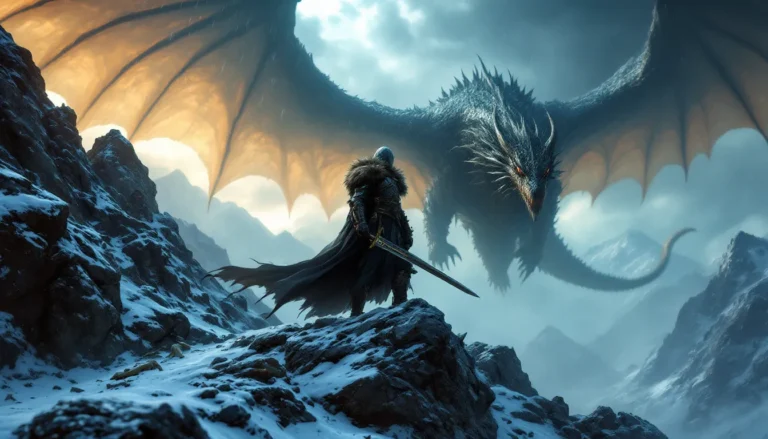
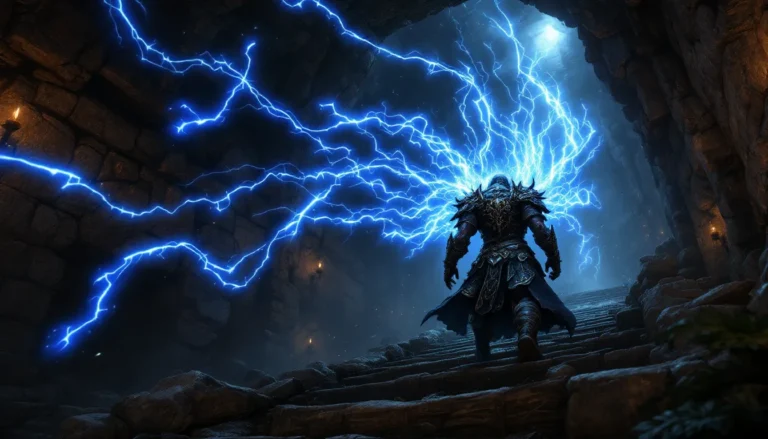
The Mind of Madness is one of Skyrim’s most memorable Daedric quests, throwing players into the fractured psyche of an ancient emperor while facing off against Sheogorath, the Daedric Prince of Madness. Unlike typical dungeon crawls, this quest ditches combat for surreal puzzle-solving using the Wabbajack, a staff that embodies chaos itself. Completing it rewards players with one of the game’s most entertaining artifacts and counts toward the Oblivion Walker achievement.
What makes this quest stand out is its bizarre tone. Players navigate three distinct mental arenas representing paranoia, night terrors, and self-doubt, all while Sheogorath delivers some of the game’s best voice acting. The puzzles aren’t obvious, though, and many players get stuck trying to figure out what the Wabbajack actually does in each scenario. This guide breaks down every step, from finding the quest giver in Solitude to escaping Pelagius’s mind with your sanity (mostly) intact.
Table of Contents
ToggleKey Takeaways
- The Mind of Madness is a no-combat Daedric quest in Skyrim that uses puzzle-solving with the Wabbajack staff instead of traditional combat encounters.
- The quest requires no level requirements, gear, or prerequisites, making it accessible to low-level characters who can reach Solitude.
- Players navigate three distinct mental arenas representing paranoia, night terrors, and self-doubt by repeatedly using the Wabbajack to transform spectral figures and enemies.
- Completing The Mind of Madness awards the Wabbajack artifact and counts toward the Oblivion Walker achievement, requiring all 15 Daedric artifacts for completion.
- Sheogorath’s voice acting and dialogue are highlights of the quest, with subtle references suggesting the Daedric Prince may be the Oblivion protagonist who mantled the original Prince.
- Start the quest by finding the beggar Dervenin in Solitude’s marketplace, then obtain the Pelagius Wing Key from Falk Firebeard at the Blue Palace.
How to Start The Mind of Madness Quest
Finding Dervenin in Solitude
Dervenin wanders the streets of Solitude near the Blue Palace, typically around the marketplace or the Bards College courtyard. He’s a disheveled beggar who’ll approach players with a plea to help his “master” who’s trapped. The dialogue triggers automatically once players get close enough, making this one of the easier Daedric quests to stumble upon.
Dervenin explains that his master is “visiting a friend” in the Pelagius Wing of the Blue Palace but hasn’t returned. He’ll ask the player to convince his master to return, handing over the Hip Bone as proof of his story. This item doesn’t serve a mechanical purpose beyond validating the conversation with Falk Firebeard later.
Solitude’s layout makes Dervenin hard to miss if players spend any time in the city. He doesn’t have a fixed patrol route but stays within the central district. Players who fast travel directly into the Blue Palace might need to exit and explore the surrounding area to trigger the encounter.
Level Requirements and Prerequisites
The Mind of Madness has no level requirement, making it accessible from the moment players can reach Solitude. This flexibility means low-level characters can attempt it, though the quest itself involves zero combat, just puzzle-solving. There are no prerequisite quests, faction memberships, or skill checks required.
Players don’t need any specific gear, spells, or consumables. The Wabbajack handles all the puzzle mechanics, and Sheogorath provides it automatically upon entering Pelagius’s mind. This makes The Mind of Madness one of the most beginner-friendly Daedric quests in terms of raw accessibility.
That said, players attempting this quest at very low levels should be aware that traveling to Solitude can be dangerous. The overland route from Whiterun passes through areas with bears, sabercats, and occasional dragon spawns. Fast travel or hiring a carriage from any major city eliminates this risk entirely.
Entering the Pelagius Wing
Obtaining the Key from Falk Firebeard
Falk Firebeard serves as Jarl Elisif’s steward and can be found in the Blue Palace’s main hall during daytime hours. After speaking with Dervenin, players need to track down Falk and ask about access to the Pelagius Wing. He’s initially dismissive, noting that the wing has been sealed for years due to its connection to the mad Emperor Pelagius III.
Mentioning the Hip Bone or Dervenin’s request shifts the conversation. Falk reluctantly hands over the Pelagius Wing Key, warning that the area is off-limits and potentially dangerous. No persuasion checks or additional dialogue options are required, the key is given automatically as part of the quest progression.
Falk’s schedule matters if players arrive at night. He sleeps in his quarters within the palace between 10 PM and 6 AM. Players can either wait for morning or track him down in his bedroom, though initiating dialogue while he’s sleeping can feel awkward and sometimes bugs out the conversation.
Exploring the Blue Palace
The Pelagius Wing entrance is located on the second floor of the Blue Palace, accessible via the staircase in the main hall. The door sits to the left at the top of the stairs, marked clearly on the map once the quest is active. Players can’t miss it if they follow the quest marker.
Inside, the wing is eerily empty. Dusty furniture, cobwebs, and abandoned décor create an atmosphere of neglect. There’s minimal loot, a few gold coins, common books, and alchemy ingredients scattered across tables. The real point of interest is the door at the far end leading to the Pelagius Wing proper, where the quest truly begins.
Once inside the deeper section of the wing, players need to interact with the Pelagius the Mad Shrine to trigger the transition into Pelagius’s mind. This isn’t a physical battle or typical dungeon, it’s a surreal pocket dimension where Sheogorath is waiting. The shrine activation is automatic once players approach it.
Navigating Pelagius’s Mind: All Three Arenas
The Haunted Pelagius Arena
The first arena players encounter features Pelagius the Tormented sitting at a table during a meal, surrounded by spectral figures representing his fears and paranoia. Sheogorath explains that Pelagius is haunted by the ghosts of his past, and the player needs to “adjust” the situation using the Wabbajack.
The goal is to shoot the two spectral figures, the Sultry Maiden and the Hagraven, with the Wabbajack until they transform into something less threatening. Each blast randomizes the effect, cycling through different creatures and characters. Players need to keep firing until both figures turn into Pelagius’s Confidence (a glowing wolf-like apparition).
Once both attendants are transformed, Pelagius the Tormented stands up and walks away, signaling completion. This arena teaches players the Wabbajack’s core mechanic: repeated use until the desired result appears. There’s no fail state, just keep shooting. Most players clear this in under a minute once they understand the pattern, though fans of chaotic artifact mechanics might enjoy experimenting with the various transformations.
The Terror Pelagius Night Terrors Arena
The second arena shifts to a dark, misty battlefield where Lesser Pelagius cowers in bed while shadowy enemies approach. The goal is to defend Pelagius from his night terrors by using the Wabbajack to transform the attackers into harmless creatures. This arena is slightly more time-sensitive than the first.
Four waves of enemies spawn: wolves, bandits, Hagraven, and a final powerful creature (often a Flame Atronach or similar). Players need to blast each enemy with the Wabbajack before they reach the bed. The staff transforms them into less threatening versions, wolves become rabbits, bandits become chickens, and so on.
The trick is prioritizing targets and firing rapidly. The Wabbajack has no cooldown, so spam-clicking works fine. If an enemy reaches the bed, it doesn’t cause a game over, the arena just continues until all threats are neutralized. Players who’ve mastered effective combat pacing will breeze through this segment.
After all waves are defeated, Pelagius wakes up and the arena completes. This section emphasizes the Wabbajack’s defensive utility and tests reaction speed more than the other arenas.
The Anger Pelagius Self-Confidence Arena
The third arena presents a twisted balance scale with Tiny Pelagius on one side and Huge Pelagius on the other. This represents Pelagius’s warped self-image, his ego is simultaneously inflated and deflated. The goal is to balance the scale by using the Wabbajack to adjust both versions.
Players need to shoot Tiny Pelagius with the Wabbajack to make him grow, then shoot Huge Pelagius to shrink him. The Wabbajack’s effects are random, so sometimes Tiny Pelagius shrinks further or Huge Pelagius grows larger. Keep firing at both until they’re roughly equal in size.
Once balanced, two identical-sized Pelagius figures appear, dueling each other. Players need to shoot them with the Wabbajack until they merge into a single entity. This final transformation completes the arena and signals Sheogorath’s approval.
This puzzle frustrates some players because the randomness can feel unresponsive. The key is patience, just keep cycling through effects until the balance tips. There’s no timer or penalty for taking multiple attempts. Players familiar with mastering unpredictable game mechanics will recognize this as a test of persistence rather than skill.
Using the Wabbajack: Mechanics and Strategy
Understanding the Wabbajack’s Random Effects
The Wabbajack operates on pure RNG. Each shot triggers a random transformation effect drawn from a pool of possible outcomes. In combat, it might turn an enemy into a chicken, a pile of gold, a Dremora, or instantly kill them. During The Mind of Madness, the staff’s effects are constrained to specific transformations relevant to each puzzle.
Outside this quest, the Wabbajack remains one of Skyrim’s most unpredictable weapons. It consumes soul gems to charge, and each shot drains a portion of the charge. Effects include polymorphing enemies into weaker creatures, summoning hostile Daedra, healing targets, or causing instant death. The lack of consistency makes it impractical for serious combat but hilarious for experimenting.
During the quest, players don’t need to worry about charges, Sheogorath provides unlimited uses within Pelagius’s mind. This allows for guilt-free spamming, which is the intended approach for solving the arenas.
Best Approach for Each Arena Puzzle
For the Haunted Arena, focus on one spectral figure at a time. Blast the Sultry Maiden until she transforms into Confidence, then switch to the Hagraven. Trying to alternate between them wastes time and creates confusion about which transformations have already occurred.
In the Night Terrors Arena, prioritize enemies based on proximity to the bed. Wolves spawn closest and move fastest, so blast them first. Ranged enemies like the Hagraven can be addressed after immediate threats are neutralized. Don’t overthink it, just fire at anything that moves.
The Self-Confidence Arena requires the most patience. Focus on Tiny Pelagius first, shooting until he grows to roughly half the size of Huge Pelagius. Then switch to Huge Pelagius and shrink him down. Once they’re close in size, shoot both until they duel, then blast the dueling figures until they merge. If the balance tips too far in one direction, just readjust by shooting the oversized version again.
Players who’ve explored various Skyrim approaches know that Daedric quests often reward creativity, but The Mind of Madness is refreshingly straightforward, spam the Wabbajack until something works.
Confronting Sheogorath: Dialogue and Lore
Who Is Sheogorath in The Elder Scrolls Universe?
Sheogorath is the Daedric Prince of Madness, ruling over the Shivering Isles and embodying chaos, creativity, and insanity. He’s one of the most memorable Daedric Princes in The Elder Scrolls series, known for his eccentric behavior, unpredictable dialogue, and love of cheese. His realm is split between Mania and Dementia, reflecting the dual nature of madness.
In Skyrim, Sheogorath’s dialogue contains subtle references to the events of Oblivion’s Shivering Isles DLC. Players who completed that expansion might notice hints suggesting that the current Sheogorath is actually the Oblivion protagonist who mantled the Prince at the end of the questline. This isn’t confirmed outright, but lines like “I was there for that whole sordid affair” when discussing the Oblivion Crisis strongly imply it.
Sheogorath’s voice acting (by Wes Johnson, who also voiced Emperor Uriel Septim VII in Oblivion) is a highlight of the quest. His rambling monologues, absurd tangents, and genuine enthusiasm for madness make every conversation entertaining. He’s one of the few Daedric Princes players can interact with in a non-threatening way.
Pelagius the Mad: The Tragic Emperor’s History
Pelagius Septim III ruled the Third Empire of Tamriel during the Third Era, known for his severe mental instability. He inherited the throne in 3E 145 but spent most of his reign incapacitated by paranoia, night terrors, and delusions. Historical accounts describe him defecating on nobles, attempting to hang himself, and believing he was being attacked by invisible enemies.
Pelagius was eventually committed to an asylum in Solitude, where he died in 3E 153 at age 34. His death was officially attributed to natural causes, but the Blue Palace’s Pelagius Wing was sealed afterward due to persistent rumors of hauntings and lingering madness. The shrine in the wing suggests some form of worship or memorialization, though it’s unclear if this was installed before or after his death.
The three arenas players navigate represent Pelagius’s core psychological struggles: paranoia (Haunted Arena), anxiety (Night Terrors Arena), and fractured self-image (Self-Confidence Arena). Sheogorath’s “vacation” inside Pelagius’s mind suggests the Daedric Prince has been trapped there for decades, possibly since Pelagius’s death. The quest’s resolution frees Sheogorath and finally puts Pelagius’s tormented psyche to rest, though resources like Twinfinite have speculated whether the emperor’s spirit truly finds peace.
Quest Rewards and Benefits
Obtaining the Wabbajack Daedric Artifact
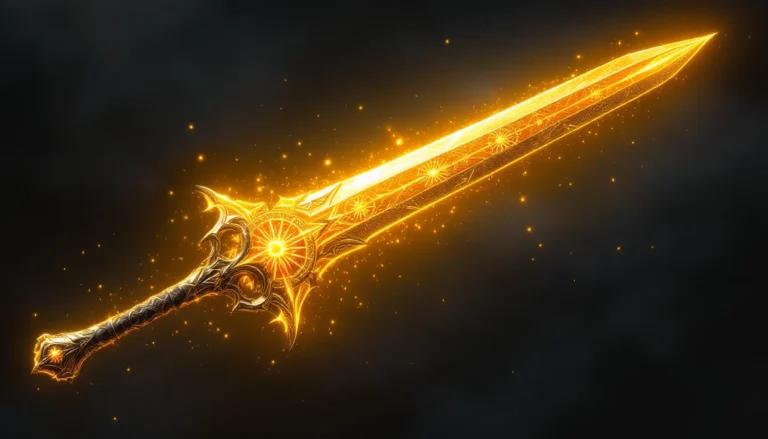
Upon completing all three arenas and speaking with Sheogorath one final time, players receive the Wabbajack as a permanent reward. This Daedric artifact is a staff that transforms enemies into random creatures or objects, dealing unpredictable effects. It’s classified as a staff in the inventory and requires soul gems to recharge after the quest concludes.
The Wabbajack’s stats are straightforward:
- Type: Staff
- Weight: 10
- Base Value: 1565 gold
- Charge: 3000 points (depletes with use)
Each shot consumes approximately 219 charge, giving players around 13-14 uses per full charge. The randomness makes it impractical for difficult encounters, but it’s incredibly fun for messing around with weaker enemies or testing different transformation outcomes.
The staff can’t be disenchanted or improved at a workbench, as with all Daedric artifacts. Its value lies more in novelty and collection completion than raw combat effectiveness. Players who enjoy experimenting with unusual builds might incorporate it into chaos-themed playthroughs.
Impact on Oblivion Walker Achievement
The Wabbajack counts as one of the 15 Daedric artifacts required for the Oblivion Walker achievement (or trophy on PlayStation/Xbox). This achievement tasks players with collecting Daedric artifacts from various Daedric Princes across Skyrim. Missing even one artifact locks players out of the achievement on that playthrough.
The Mind of Madness is one of the easier Daedric quests for achievement hunters because:
- It has no level requirement
- It involves no combat (meaning low-level characters can complete it safely)
- The reward is guaranteed, there’s no choice between artifacts like in some other Daedric quests
Players aiming for Oblivion Walker should complete this quest as soon as they reach Solitude. Since it doesn’t require any specific skills or gear, there’s no downside to knocking it out early. Just make sure to actually pick up the Wabbajack from Sheogorath, leaving without taking it can cause progression issues.
Players tracking their progress toward full quest completion should note that The Mind of Madness also contributes to the overall Daedric quest count, making it valuable beyond just the artifact itself.
Common Mistakes and Troubleshooting Tips
What to Do If the Quest Won’t Start
Dervenin sometimes fails to approach players even when they’re standing directly next to him. This usually happens if players fast travel into the Blue Palace courtyard instead of entering Solitude through the main gate. The trigger zone for his dialogue is location-specific, so try walking around the marketplace and Bards College area.
If Dervenin still won’t initiate conversation, try these fixes:
- Exit Solitude completely and re-enter through the main gate
- Wait or sleep for 24 hours in-game to reset NPC schedules
- Reload a save from before entering Solitude
- On PC, use console commands to advance the quest manually (not recommended for first-time players)
Another common issue is Falk Firebeard refusing to hand over the Pelagius Wing Key. This typically occurs if players skip dialogue options or don’t mention Dervenin’s request. Make sure to exhaust all dialogue branches about the Pelagius Wing and show Falk the Hip Bone if the option appears.
Solving the Arena Puzzles When Stuck
The Haunted Arena rarely causes problems, but some players don’t realize they need to shoot both spectral figures. If Pelagius the Tormented won’t stand up, check that both the Sultry Maiden and Hagraven have transformed into Confidence wolves. Shooting Pelagius himself does nothing.
In the Night Terrors Arena, players sometimes miss enemies hiding in the fog. If the arena won’t complete, spin the camera around to check for stragglers. Occasionally a wolf or bandit gets stuck on terrain and needs to be manually targeted. The Wabbajack has decent range, so players don’t need to get close.
The Self-Confidence Arena frustrates players most often. If Tiny Pelagius keeps shrinking or Huge Pelagius keeps growing, it’s just bad RNG, keep shooting. The balance doesn’t need to be perfectly equal: once they’re roughly similar in size, the dueling animation triggers. If the duel won’t start, make sure both figures are glowing with the same brightness.
Players can’t fail these puzzles permanently. There’s no time limit, no penalty for wrong attempts, and Sheogorath won’t intervene negatively. Just keep using the Wabbajack. If absolutely stuck, exiting Pelagius’s mind via the console (on PC) or reloading a save resets the arenas, though this shouldn’t be necessary.
For players encountering persistent bugs, communities like Game Rant’s forums often have updated workarounds specific to different game versions and platforms. The quest has been stable since Skyrim’s Special Edition release in 2016, but occasional mod conflicts can still cause issues.
Conclusion
The Mind of Madness stands out as one of Skyrim’s most creative quests, ditching the usual formula of “go to dungeon, kill draugr” for surreal psychological puzzles. Sheogorath’s writing and voice acting elevate what could’ve been a forgettable fetch quest into a genuine highlight of the Daedric questline. The Wabbajack’s chaos-driven mechanics perfectly match the Daedric Prince’s personality, making it feel like more than just a stat stick.
For achievement hunters, this quest is essential. For players who enjoy exploring Skyrim’s stranger corners, it’s one of the most memorable experiences in the base game. And for anyone who just wants to turn bandits into chickens for the next 200 hours, well, the Wabbajack delivers exactly that. Just don’t expect Sheogorath to make any more sense the second time through, madness rarely does.