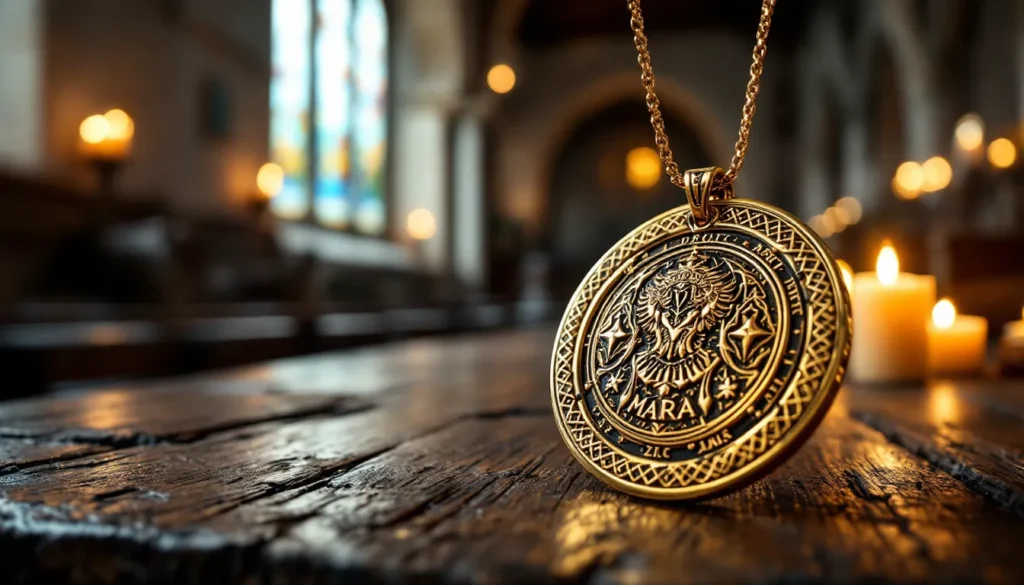

The Amulet of Mara is one of Skyrim’s most iconic items, not for its combat stats or magical properties, but for what it represents: a chance to settle down with a companion and enjoy the perks of married life. Whether you’re a first-time player curious about the marriage system or a veteran revisiting the game after years away, understanding how this unassuming necklace works can unlock benefits ranging from daily gold to permanent stat bonuses.
Marriage in Skyrim isn’t just a role-playing novelty. It grants tangible gameplay advantages, including the Lover’s Comfort resting bonus, home-cooked meals that restore stats, and access to your spouse’s merchant inventory. But the system has quirks, dialogue won’t trigger if you skip certain steps, and not every NPC is marriageable even if they seem like a perfect match.
This guide covers everything you need to know about the Amulet of Mara in 2026: where to find it, how to use it, who you can marry, and how to troubleshoot common issues. We’ll also break down the best marriage candidates based on playstyle and the hidden bonuses that make tying the knot worthwhile.
Table of Contents
ToggleKey Takeaways
- The Amulet of Mara unlocks the marriage system in Skyrim by enabling special dialogue with eligible NPCs and must be equipped in the necklace slot to trigger marriage conversations.
- Purchase the Amulet of Mara from Maramal in Riften for 200 gold, or find it as random loot in dungeons, though buying it is the most reliable method.
- Marrying a spouse grants valuable gameplay benefits including a 15% experience boost from Lover’s Comfort, daily 100 gold income, and home-cooked meals that restore stats.
- Marriageable NPCs require completing prerequisite quests before proposing, such as retrieving Grimsever for Mjoll or completing the Companions questline for Aela.
- Choose your spouse based on playstyle: marry combat followers like Aela or Mjoll for dungeon exploration, merchants like Ysolda for economic builds, or homeowners for role-playing immersion.
- If marriage dialogue doesn’t appear, verify the Amulet of Mara is equipped, the prerequisite quest is complete, and that the NPC is actually marriageable, as only 62 NPCs in the base game support marriage.
What Is the Amulet of Mara in Skyrim?
The Amulet of Mara is a unique necklace dedicated to Mara, the goddess of love and compassion in the Elder Scrolls universe. Unlike most amulets in Skyrim, it doesn’t offer combat bonuses or magical effects when worn. Instead, it serves as a signal to eligible NPCs that the Dragonborn is open to marriage.
When equipped, the amulet enables special dialogue options with marriageable characters. Without it, these NPCs will never discuss romantic interests, even if you’ve completed their personal quests or raised their disposition to maximum. Think of it as the in-game equivalent of wearing a wedding ring in reverse, it shows you’re available, not taken.
The item itself is a simple gold necklace with a modest design. It weighs 0.5 units and has a base value of 316 gold, though selling it is rarely worthwhile given its unique function. You can own multiple Amulets of Mara if you find them as random loot, but you only need one to unlock the marriage system.
Mara’s influence extends beyond romance. The Temple of Mara in Riften serves as the central hub for weddings, and Maramal, the priest who facilitates marriages, explains the goddess’s role in binding couples together. The amulet is both a religious symbol and a mechanical key that unlocks one of Skyrim’s most overlooked progression systems.
Where to Find the Amulet of Mara
Buying from Maramal in Riften
The most reliable way to obtain the Amulet of Mara is to purchase it from Maramal, a priest of Mara found in Riften. He has two possible locations depending on the time of day:
- The Bee and Barb inn (daytime, usually between 8 AM and 8 PM)
- The Temple of Mara (evenings and nights)
Approach Maramal and ask about the Temple of Mara. He’ll launch into a speech about the goddess and her blessings, then offer to sell you the amulet for 200 gold. This also initiates the dialogue tree that explains how marriage works in Skyrim, making it the intended first step for players new to the system.
If you have the Speech perk Investor or high Speech skill, you can’t haggle the price down, it’s a fixed 200 gold regardless of perks or disposition. But, this is a one-time purchase that unlocks marriage for the rest of your playthrough, making it one of the best gold-to-benefit ratios in the game.
Random Loot Locations and Drops
You can find the Amulet of Mara as random loot in several locations, though these spawns aren’t guaranteed and depend on leveled loot tables:
- Dwemer ruins: Occasionally found in chests or on Dwemer shelves
- Bandit camps: Rare drop from bandit chiefs or in boss chests
- Draugr dungeons: Can appear in Nordic burial urns or high-level draugr loot
- Necromancer hideouts: Sometimes found on necromancer corpses or in ritual chambers
One semi-reliable location is the Dwemer Museum in Markarth, where it can spawn on display cases, though this isn’t consistent across all playthroughs. Players have also reported finding it in the Labyrinthian and Lost Valkygg dungeons, but again, these are subject to RNG.
If you’re trying to marry someone early in a playthrough and don’t want to travel to Riften, looting dungeons as you explore can occasionally net you a free amulet. That said, the guaranteed purchase from Maramal is faster and more dependable than farming random spawns.
How to Use the Amulet of Mara for Marriage
Equipping the Amulet and Starting Conversations
Once you’ve acquired the Amulet of Mara, open your inventory and equip it in the necklace slot. The amulet must be actively worn for marriage dialogue to trigger, having it in your inventory isn’t enough.
With the amulet equipped, approach any marriageable NPC. If they’re eligible and you’ve met their personal quest requirements (more on that below), a new dialogue option will appear: “Interested in me, are you?” This line is your confirmation that marriage is possible with that character.
Some NPCs will respond enthusiastically, others more cautiously, but all marriageable characters share this same dialogue trigger. If the option doesn’t appear, it means one of three things:
- The NPC isn’t marriageable (most named NPCs fall into this category)
- You haven’t completed their prerequisite quest
- The amulet isn’t equipped (check your active effects menu to confirm)
Once you’ve initiated the conversation, the NPC will agree to marry you and instruct you to speak with Maramal in Riften to arrange the ceremony. You don’t need to keep wearing the amulet after this point, the engagement is locked in.
Completing Marriage Quest Requirements
Nearly every marriageable NPC has a prerequisite quest or task you must complete before they’ll agree to marriage. These range from simple fetch quests to clearing dungeons or resolving personal conflicts.
Common examples include:
- Lydia: Become Thane of Whiterun (automatically unlocked through the main quest)
- Aela the Huntress: Complete the Companions questline
- Mjoll the Lioness: Retrieve her sword, Grimsever, from Mzinchaleft
- Ysolda: Bring her a mammoth tusk (easily obtained from giant camps)
- Balimund: Deliver a fire salts sample to him in Riften
Some followers, like Jenassa or Marcurio, can be married immediately after hiring them with no additional quests. Others, like Farkas or Vilkas, require completing entire faction storylines.
After fulfilling the prerequisite, return to the NPC while wearing the Amulet of Mara. The marriage dialogue will now be available. Head to Riften, speak with Maramal, and schedule the wedding for 24 hours later. Attend the ceremony at the Temple of Mara, skip it, and the wedding is canceled permanently with that character.
Best Marriage Candidates in Skyrim
Top Followers You Can Marry
Marrying a follower is one of the most practical choices in Skyrim. These NPCs can continue traveling with you after marriage, providing combat support while also granting spousal benefits.
Best combat-focused followers to marry:
- Aela the Huntress: Expert archer, werewolf transformation, and Companions faction member. Essential for stealth and archery builds. Prerequisite: Complete the Companions questline.
- Mjoll the Lioness: Two-handed powerhouse who can’t be killed (essential NPC). Great for tank builds. Prerequisite: Retrieve Grimsever from Mzinchaleft.
- Jenassa: Dual-wielding mercenary available early in Whiterun. Can be hired for 500 gold and married immediately. No additional quests required.
- Farkas: Heavy armor warrior with high health pool. Ideal for players who need a frontline tank. Prerequisite: Complete the Companions questline.
- Borgakh the Steel Heart: Orc warrior with strong melee stats. Can be recruited from Mor Khazgur without paying a dowry if you’re persuasive. Prerequisite: Convince her to leave her stronghold.
Followers who can marry you continue functioning as companions post-wedding, meaning you lose nothing by tying the knot. They’ll still carry your items, fight by your side, and now provide daily income and the Lover’s Comfort bonus when you sleep in the same house.
Merchants and Homeowners Worth Marrying
If you’re less interested in combat and more focused on economic benefits, marrying a merchant or homeowner can be strategically valuable.
Top merchant spouses:
- Ysolda: General goods merchant who sells a variety of items and can be married very early (just bring her a mammoth tusk). She’s also involved in several daedric quests, making her a well-rounded NPC.
- Taarie: Owns Radiant Raiment in Solitude, selling high-end clothing and jewelry. Prerequisite: Complete “Fit for a Jarl” quest.
- Balimund: Blacksmith in Riften who sells quality weapons and armor. Useful for warrior builds. Prerequisite: Deliver fire salts.
Homeowners with unique properties:
- Sorex Vinius: Owns the Winking Skeever in Solitude. Marrying him gives you access to a coastal home in the capital city.
- Camilla Valerius: Lives in Riverwood’s Riverwood Trader. Convenient early-game marriage option with a central location.
Merchant spouses generate 100 gold per day from their “store’s profits,” which you can collect when speaking to them. This passive income stacks with the Lover’s Comfort bonus and home-cooked meals, making economically-focused marriages surprisingly profitable over a long playthrough.
Marriage Benefits and Perks Explained
The Lover’s Comfort Bonus
The Lover’s Comfort bonus is the most mechanically significant benefit of marriage. When you sleep in a house that your spouse also lives in, you receive a 15% boost to skill experience gain for 8 in-game hours.
This stacks with other XP modifiers and applies to all skills, making it invaluable for leveling. The bonus is identical to the Lover Stone standing stone effect, but since you can only have one standing stone active at a time, Lover’s Comfort lets you double-dip on XP gains if you choose a different stone.
Key details:
- The bonus only triggers when sleeping in a player-owned home where your spouse is present
- If your spouse is following you as a companion, they need to be dismissed and sent home for the bonus to activate
- The effect lasts 8 hours, which is roughly one full day-night cycle in Skyrim’s accelerated time scale
For players grinding skill levels, especially crafting skills like Smithing, Enchanting, or Alchemy, this 15% boost can save hours of real-world time.
Daily Gold and Home-Cooked Meals
Every day, your spouse generates 100 gold from their “business” or household activities. This money is automatically deposited into their dialogue options, and you can collect it once per day by speaking to them and selecting “How is the store doing?”
Even non-merchant spouses generate this income, representing household earnings or general labor. Over the course of a playthrough, this can add up to thousands of gold with zero effort.
Spouses also prepare a home-cooked meal once per day. This meal restores health, magicka, and stamina, and provides a small regeneration buff. While not as powerful as crafted potions, it’s a free resource that regenerates daily and weighs nothing in your inventory.
Some gaming guides note that the home-cooked meal is particularly useful for survival playthroughs or players who avoid fast travel, as it provides a reliable food source without needing to hunt or cook.
Store Ownership and Merchant Access
If you marry a merchant, you gain access to their shop inventory and can invest in their business. This is particularly useful for blacksmiths like Balimund or general goods vendors like Ysolda, as it increases their available gold for bartering.
Also, if your spouse owns a home (like Sorex Vinius with the Winking Skeever), you inherit partial ownership of that property. This gives you a free player home without needing to purchase one or complete Thane quests in every hold.
Merchant spouses also stock unique items or rare crafting materials more frequently than generic vendors, making them valuable for specialized builds. For example, marrying a court wizard’s assistant might grant easier access to soul gems and spell tomes.
Common Marriage and Amulet Issues
Why Marriage Dialogue Won’t Trigger
The most frequent issue players encounter is the Amulet of Mara failing to unlock marriage dialogue, even when equipped. This usually stems from one of the following causes:
1. Prerequisite quest not completed
Every marriageable NPC has a specific task or quest you must finish before they’ll consider marriage. If you haven’t completed it, the dialogue option simply won’t appear. Check the UESP or community wikis to confirm the exact requirements for your chosen spouse.
2. Amulet not equipped
The amulet must be actively worn in the necklace slot. If you’re wearing a different necklace (like the Amulet of Talos or Gauldur Amulet), swap it out. Check your active effects menu, “Amulet of Mara” should appear under equipment buffs.
3. NPC is not marriageable
Only 62 NPCs in the base game can be married. Many popular characters, like Serana, Brynjolf, or Ulfric Stormcloak, are not marriageable without mods. If the dialogue never appears, the NPC likely isn’t coded as a marriage candidate.
4. Marriage already initiated with another NPC
Skyrim only allows one marriage per playthrough (barring console commands or mods). If you’ve already married someone else and they died or disappeared, the game still considers you married, blocking new marriages.
Fixing Broken Marriage Quests
If you’ve scheduled a wedding with Maramal but the ceremony won’t start, or if your spouse disappeared after marriage, you may have encountered a bug. Common fixes include:
Use console commands (PC only):
- Open the console with the
~key - Click on your spouse to target them, then type
resetaito reset their AI behavior - If they’re missing entirely, type
moveto playerto teleport them to your location
Reload a save before the ceremony:
If the wedding glitches mid-ceremony (Maramal stops talking, guests don’t arrive, etc.), reloading a save from before the scheduled time often fixes the issue. Attend the ceremony promptly, showing up late or leaving the temple mid-wedding can break the script.
Check for conflicting quests:
Some players have reported that having certain active quests (like “Blood on the Ice” or faction-specific missions) can interfere with wedding scripts. Try completing or abandoning unrelated quests before scheduling the ceremony.
Mod conflicts (PC):
If you’re running mods that alter NPC behavior, romance systems, or Riften’s layout, they may conflict with vanilla marriage scripts. Disable mods temporarily to test, or check mod compatibility patches.
For persistent issues that walkthroughs on IGN can’t resolve, community forums like the Skyrim Nexus or Reddit’s r/skyrim often have targeted fixes for specific bugs.
Tips and Strategies for Maximizing Your Marriage
Choosing the Right Spouse for Your Playstyle
Your ideal spouse depends heavily on your character build and priorities. Here’s how to match marriage candidates to common playstyles:
For combat-heavy builds:
Marry a strong follower like Aela, Mjoll, or Farkas. They’ll continue fighting alongside you while providing Lover’s Comfort for faster combat skill leveling. Prioritize essential NPCs (like Mjoll) who can’t be killed in battle.
For stealth and archery builds:
Aela is the top choice due to her archery expertise and ability to sneak effectively. Jenassa is a solid alternative if you want a dual-wielding companion who won’t accidentally trigger traps.
For mage builds:
Marry a follower with high magicka reserves or magic resistance, like Brelyna Maryon or Onmund. Both are available after joining the College of Winterhold and won’t interfere with spellcasting in tight corridors.
For economic/merchant builds:
Prioritize merchant spouses like Ysolda or Balimund. The daily 100 gold income compounds over time, and access to their inventory streamlines trading.
For homesteading/role-playing:
Choose spouses with existing homes or those who fit your character’s backstory. Camilla Valerius in Riverwood is ideal for a rural, self-sufficient lifestyle, while Taarie in Solitude suits a high-society noble character.
Don’t overlook utility. Some spouses, like Scouts-Many-Marshes, have unique dialogue or faction ties that enrich role-playing, even if they’re not mechanically optimal.
Setting Up Your Marital Home
After marriage, you and your spouse must choose a home to live in. You have several options:
Player-owned houses:
Any house you’ve purchased (Breezehome in Whiterun, Honeyside in Riften, etc.) can become your marital home. Your spouse will move in automatically and set up shop.
Spouse-owned properties:
If your spouse already owns a home (like Sorex Vinius’s room in the Winking Skeever), you can choose to live there instead. This saves gold if you haven’t purchased a house yet.
Hearthfire homesteads:
If you own the Hearthfire DLC, you can build custom homes in Falkreath, Hjaalmarch, or the Pale. These estates offer the most space and customization, making them ideal for long-term marital living. Your spouse will comment on the house’s layout and may even tend gardens or adopt children with you.
Key setup tips:
- Place a double bed in your home to ensure the Lover’s Comfort bonus triggers when you sleep
- If your spouse is a merchant, their shop inventory refreshes every 48 in-game hours when they’re at home
- Furnish the home with storage containers, your spouse won’t use them, so they’re safe for loot hoarding
- If you have children (via Hearthfire), your spouse will interact with them, adding immersive family dialogue
Many players recommend establishing your marital home in a centrally-located city like Whiterun or Solitude to minimize fast-travel time. But, remote homes like Lake Ilinalta or Windstad Manor offer better role-playing immersion for characters who prefer isolation.
Finally, remember that you can move your spouse to a different home at any time by speaking to them and selecting the dialogue option “I think we should move.” This flexibility lets you relocate as you acquire better properties or shift playstyles, as gaming tips sites frequently advise for optimizing progression.
Conclusion
The Amulet of Mara is far more than a cosmetic accessory in Skyrim, it’s the key to unlocking a robust marriage system that offers tangible gameplay benefits and role-playing depth. From the 15% XP boost of Lover’s Comfort to daily gold and the strategic advantages of marrying followers or merchants, tying the knot is one of the most underrated progression mechanics in the game.
Whether you’re chasing mechanical optimization with a combat-ready spouse like Aela or Mjoll, building a merchant empire with Ysolda, or simply role-playing a quiet life in Riverwood with Camilla, the marriage system rewards thoughtful choices. And with 62 potential spouses spread across every hold, there’s a match for every playstyle and character build.
Just remember: equip the amulet, complete prerequisite quests, and show up to your wedding on time. Do that, and you’ll unlock one of Skyrim’s most rewarding, and surprisingly practical, systems. Now get out there, find Maramal in Riften, and start building your in-game family.