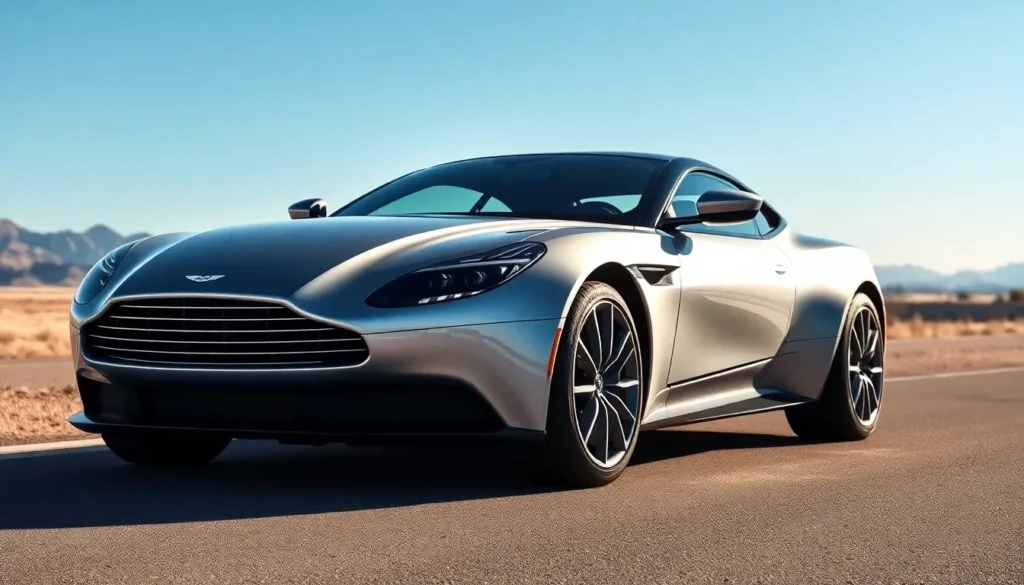

Gran turismo examples represent some of the most desirable automobiles ever built. These cars blend high performance with long-distance comfort, creating a unique driving experience that pure sports cars cannot match. The term “gran turismo” translates to “grand touring” in Italian, and it describes vehicles designed for fast, comfortable travel across vast distances.
From the classic Ferrari 250 GT to modern-day Aston Martin DB11, gran turismo cars have captured the imagination of automotive enthusiasts for decades. This article explores the most iconic gran turismo examples, examining what makes these vehicles special and why they continue to influence car design today.
Table of Contents
ToggleKey Takeaways
- Gran turismo examples blend high performance with long-distance comfort, distinguishing them from track-focused sports cars.
- Classic gran turismo cars like the Ferrari 250 GT, Aston Martin DB5, and Maserati Ghibli established the template modern manufacturers still follow.
- Modern gran turismo examples such as the Aston Martin DB11, Bentley Continental GT, and Ferrari Roma combine heritage design with cutting-edge technology.
- Key characteristics of gran turismo cars include front-mounted engines, 2+2 seating layouts, powerful engines, premium interiors, and larger fuel tanks for extended travel.
- Gran turismo vehicles consistently rank among the most beautiful cars ever produced, prioritizing design excellence alongside performance.
- Owning a gran turismo example connects drivers to a rich automotive tradition built by legendary brands like Ferrari, Aston Martin, and Bentley.
What Is a Gran Turismo Car?
A gran turismo car is a high-performance vehicle built for extended drives at sustained speeds. Unlike track-focused sports cars, gran turismo examples prioritize a balance between power and comfort. They typically feature powerful engines, refined interiors, and aerodynamic designs that reduce fatigue during long journeys.
The gran turismo concept originated in post-war Europe. Wealthy drivers wanted cars that could cross countries quickly while maintaining luxury. Italian manufacturers like Ferrari and Maserati pioneered this segment, creating vehicles that performed on both open roads and occasional track days.
Key characteristics of gran turismo cars include:
- Engine placement: Most feature front-mounted engines for better weight distribution and interior space
- Seating configuration: Typically 2+2 layouts with small rear seats for occasional passengers or luggage
- Power output: High-displacement engines producing substantial horsepower
- Interior quality: Premium materials and comfortable seating for extended trips
- Fuel capacity: Larger tanks enabling long-range travel without frequent stops
These features distinguish gran turismo examples from pure sports cars, which sacrifice comfort for maximum performance.
Classic Gran Turismo Examples
Several classic gran turismo examples have achieved legendary status in automotive history. These vehicles established the template that modern manufacturers still follow today.
Ferrari 250 GT
The Ferrari 250 GT series, produced from 1954 to 1964, remains one of the finest gran turismo examples ever created. Its 3.0-liter V12 engine delivered approximately 240 horsepower. The car could reach speeds exceeding 150 mph while maintaining exceptional ride quality. Rare variants like the 250 GT SWB now sell for millions at auction.
Aston Martin DB5
The Aston Martin DB5 gained fame through James Bond films, but it earned its reputation as a gran turismo car through genuine performance credentials. Its 4.0-liter inline-six engine produced 282 horsepower. The DB5 offered a luxurious leather interior, a sophisticated suspension system, and timeless styling that influenced Aston Martin designs for generations.
Maserati Ghibli (1967)
The original Maserati Ghibli showcased Italian design at its peak. Designer Giorgetto Giugiaro created one of the most beautiful gran turismo examples in history. Its 4.7-liter V8 engine generated 330 horsepower, propelling the car to 174 mph. The Ghibli proved that gran turismo cars could compete with dedicated sports cars on performance while offering superior comfort.
Lamborghini 400 GT
Before Lamborghini focused on supercars, it produced elegant gran turismo examples like the 400 GT. This 2+2 coupe featured a 4.0-liter V12 engine with 320 horsepower. Its refined character differed significantly from later aggressive Lamborghini models, representing the brand’s original vision.
Modern Gran Turismo Cars
Contemporary manufacturers continue producing exceptional gran turismo examples that honor the category’s heritage while incorporating modern technology.
Aston Martin DB11
The Aston Martin DB11 represents the current benchmark for gran turismo cars. Its twin-turbocharged 4.0-liter V8 produces 503 horsepower, while the V12 variant delivers 630 horsepower. The DB11 features advanced aerodynamics, a sophisticated infotainment system, and a cabin trimmed in hand-stitched leather. It covers highway miles effortlessly while delivering genuine sports car performance when demanded.
Bentley Continental GT
The Bentley Continental GT defines modern luxury gran turismo examples. Its 6.0-liter W12 engine generates 650 horsepower, enabling 0-60 mph sprints in 3.5 seconds. Even though this performance, the Continental GT provides limousine-like comfort with adjustable suspension, massaging seats, and exceptional sound insulation.
Ferrari Roma
Ferrari’s Roma revives the brand’s gran turismo heritage. This front-engined coupe uses a 3.9-liter twin-turbo V8 producing 612 horsepower. Its understated elegance contrasts with Ferrari’s more aggressive models, making it an ideal gran turismo example for daily use. The Roma balances performance and refinement in a way that connects directly to classic Ferrari GT cars.
Mercedes-AMG GT
The Mercedes-AMG GT offers German precision in the gran turismo segment. Its hand-built 4.0-liter twin-turbo V8 produces up to 630 horsepower in high-performance variants. The car combines track capability with the comfort expected from Mercedes-Benz, making it a versatile gran turismo example.
What Makes These Cars Stand Out
Gran turismo examples share several qualities that separate them from other performance vehicles.
Performance Without Compromise
These cars deliver exceptional speed and handling without sacrificing daily usability. Owners can drive them to work on Monday and complete a 500-mile road trip on Saturday. This versatility defines the gran turismo philosophy.
Design Excellence
Gran turismo examples consistently rank among the most beautiful cars ever produced. Their proportions, long hoods, flowing rooflines, and elegant rear ends, create visual harmony that pure performance cars often lack. Designers prioritize aesthetics alongside aerodynamic efficiency.
Craftsmanship
Interiors of gran turismo cars showcase exceptional material quality and attention to detail. Hand-stitched leather, real wood trim, and metal accents create environments worthy of extended time behind the wheel. This craftsmanship justifies premium pricing and ensures lasting value.
Heritage and Prestige
Owning a gran turismo example connects drivers to a rich automotive tradition. These cars carry historical significance that modern SUVs and sedans cannot replicate. Manufacturers like Ferrari, Aston Martin, and Bentley have built reputations specifically through their gran turismo offerings.