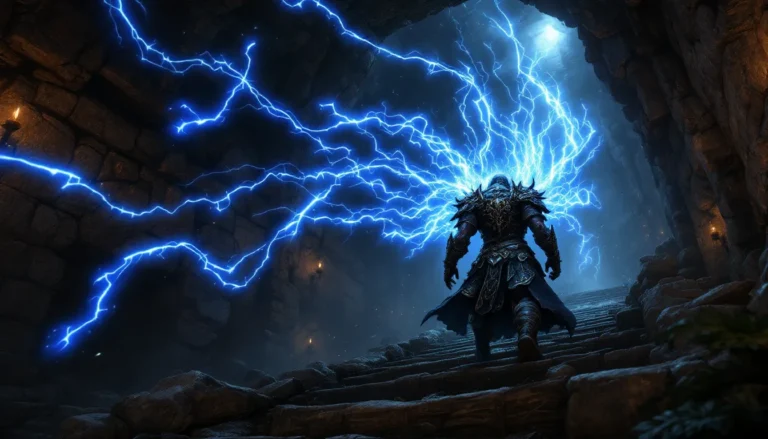

The Waking Nightmare quest in Skyrim stands out as one of the more psychologically gripping Daedric quests, pitting the Dragonborn against Vaermina’s twisted machinations. Unlike straightforward fetch quests or dungeon crawls, this storyline pulls players into a trippy sequence involving memory manipulation, moral choices, and a genuinely creepy atmosphere inside Nightcaller Temple. Whether someone’s chasing the Skull of Corruption Daedric artifact or building a follower roster, understanding every decision point matters, especially the endgame choice that permanently locks one reward path while closing another.
This walkthrough covers the entire quest from initiation to final consequences, including the infamous Dreamstride sequence, both ending options, and practical fixes for bugs that still crop up even in the Anniversary Edition. Players will walk away knowing exactly how to navigate Nightcaller Temple efficiently, which rewards align with their build goals, and how this quest fits into the larger Daedric artifact collection.
Table of Contents
ToggleKey Takeaways
- The Waking Nightmare Skyrim quest features a pivotal moral choice between killing Erandur to claim the Skull of Corruption Daedric artifact or letting him destroy it to gain him as a follower—each decision carries permanent consequences.
- The Dreamstride potion activates a scripted vision that reveals the temple’s backstory and allows players to deactivate the magical barrier blocking the Inner Sanctum, a unique mechanic that enhances atmospheric storytelling.
- Erandur becomes a reliable level-50 mage follower with Destruction and Restoration spells if spared, offering solid ranged support without the combat effectiveness of specialized late-game builds.
- The Skull of Corruption is a mid-tier Daedric artifact requiring dream harvesting from sleeping NPCs to maintain its damage scaling, making it functionally clunky compared to other Daedric weapons.
- Players pursuing the Oblivion Walker achievement should track their artifact count before the final choice, as they can obtain 15 of 16 artifacts and skip the Skull if they’ve already collected it elsewhere.
- Common bugs like Erandur freezing or the barrier failing to deactivate can be fixed by fast-traveling away and returning, or using console commands on PC to reset quest stages.
What Is the Waking Nightmare Quest?
Waking Nightmare is a Daedric quest tied to Vaermina, the Prince of Dreams and Nightmares. It centers on the town of Dawnstar, where the entire population suffers from relentless nightmares that prevent rest. The quest begins when the Dragonborn investigates these strange afflictions and discovers their source: Nightcaller Temple, a site where priests of Vaermina once performed dark rituals.
The questline involves Erandur, a Dunmer priest of Mara who has a complicated past with the temple. Players work alongside him to explore the ruins, unlock magical barriers, and eventually decide the fate of the Skull of Corruption, a powerful Daedric artifact. The quest features one of Skyrim’s more memorable narrative tricks, a Dreamstride potion that lets players experience events from years in the past through the eyes of a different character.
Unlike many Daedric quests that require shrine discoveries or item collection, Waking Nightmare triggers through natural gameplay when visiting Dawnstar. It’s classified as a miscellaneous quest initially before escalating into a full Daedric questline. The moral ambiguity at the quest’s conclusion, betraying a companion versus obtaining a unique weapon, makes it a frequent topic in player discussions about best outcomes.
How to Start Waking Nightmare
Finding Nightcaller Temple
Nightcaller Temple sits northwest of Dawnstar, perched on a hill overlooking the Sea of Ghosts. The temple entrance is easily recognizable by its Nordic architecture and the glow from the braziers outside. Players can stumble upon the location during exploration, but the quest won’t properly initiate without first speaking to the right NPCs in Dawnstar.
The temple remains locked until the quest activates. Attempting to enter before meeting Erandur results in a message stating the door is barred from the inside. This design choice forces players through the narrative setup rather than allowing sequence breaking.
Meeting Erandur in the Windpeak Inn
The quest officially begins when the Dragonborn enters Dawnstar and witnesses townspeople discussing their nightmares. Speaking to the Jarl, inn patrons, or simply walking into the Windpeak Inn triggers dialogue with Erandur, who stands near the central fire explaining the situation to concerned citizens.
Erandur identifies himself as a priest of Mara investigating the nightmares. He reveals that Nightcaller Temple is the source and requests the Dragonborn’s help exploring the dangerous ruins. Accepting his request adds “Waking Nightmare” to the quest log and sets Erandur as a temporary follower. He’s essential during this quest and can’t be killed by enemies or friendly fire, making him useful as a distraction for tougher fights.
Players don’t need any specific level to start this quest, though the temple contains leveled enemies that scale with the Dragonborn. Bringing restoration spells or potions is advisable since Erandur casts mostly low-level destruction magic and doesn’t heal the player.
Complete Walkthrough: Navigating Nightcaller Temple
The Library and Dreamstride Potion
Once inside Nightcaller Temple, the first major obstacle is a magical barrier blocking progress deeper into the ruins. Erandur explains that the barrier was raised during an emergency evacuation years ago and requires a special ritual to disable. The solution lies in the temple library, accessible through corridors filled with Orcish Invaders (if below level 7) or Vaermina Devotees (leveled enemies that spawn at higher levels).
The library contains several readable books, but the critical item is The Dreamstride, found on a pedestal. Reading this book provides lore about the Dreamstride potion and adds a quest marker. Erandur directs players to the laboratory where alchemists once brewed the potion. The lab sits in the northwestern section of the temple, past a dining hall with hostile enemies.
The Dreamstride Potion sits on a table in the laboratory, glowing with a distinctive purple shimmer. Drinking it triggers the vision sequence, there’s no turning back once consumed, so handle any inventory management or enemy clearing beforehand. For those interested in creative role-play builds, the Dreamstride sequence offers one of Skyrim’s rare forced perspective shifts that inspired many themed playthroughs.
Experiencing the Dreamstride Vision
The Dreamstride vision places the player in the body of Casimir, a priest of Vaermina during the Orcish invasion of Nightcaller Temple decades earlier. This sequence is entirely scripted, combat actions don’t matter since enemies ignore Casimir, and the objective is simple: reach the chain mechanism that controls the magical barrier.
Casimir’s perspective reveals the temple’s backstory through environmental storytelling. Priests scramble to defend against invaders while Erandur’s former identity, Casimir’s companion, Brother Veren, appears in dialogue. The vision explains how the barrier was activated to trap both Orcs and remaining priests inside while releasing the Miasma, a magical gas that put everyone to sleep.
Players navigate through the inner sanctum, following quest markers until reaching the chain in the central chamber. Pulling the chain deactivates the barrier in the “present day” and ends the vision. The Dragonborn wakes back in the laboratory with Erandur waiting. This sequence typically takes 3-5 minutes and includes some of Skyrim’s more atmospheric level design, with bodies frozen mid-combat from the Miasma’s effects.
Deactivating the Magical Barrier
With the barrier down, Erandur leads the way into the Inner Sanctum. This section features the heaviest enemy concentration in the temple, including Vaermina Devotees who wield frost and shock magic. The devotees aren’t particularly dangerous individually but often attack in groups of 2-3, making crowd control important for squishy builds.
The path twists through sleeping chambers where Orcs and priests still slumber from the Miasma. Attacking these sleeping NPCs wakes them, adding unnecessary fights, avoid AoE spells or careless weapon swings. Environmental hazards include soul gem traps on pedestals that trigger frost explosions when disturbed.
The sanctum eventually opens into the main ritual chamber where the Skull of Corruption rests on an altar, feeding on the nightmares of Dawnstar’s citizens through a magical link. Erandur begins a ritual to destroy the artifact, explaining that it’s the only way to permanently end the nightmare curse. This leads directly into the quest’s pivotal decision point.
Confronting the Skull of Corruption
As Erandur channels his spell to destroy the Skull, Vaermina’s voice interrupts, revealing Erandur’s true identity as Brother Veren, one of the priests who originally released the Miasma. She urges the Dragonborn to kill Erandur and claim the Skull of Corruption as a reward, arguing that he’s a hypocrite who abandoned his brothers to die.
The game doesn’t force an immediate choice with dialogue options. Instead, players must decide through action: let Erandur complete his ritual (waiting about 20 seconds of channeling animation) or attack him while he’s vulnerable. This design creates genuine tension since there’s no save-scumming the choice without reloading before the ritual starts.
Erandur remains non-hostile and unaware during the channeling, making him an easy one-shot kill for most builds. The game provides no countdown or warning, just Vaermina’s whispered temptation and the player’s conscience. Many guides recommend players interested in advanced techniques consider how this choice impacts follower availability versus artifact collection before committing.
The Critical Choice: Kill Erandur or Let Him Destroy the Skull?
Option 1: Kill Erandur and Claim the Skull
Attacking Erandur during his ritual interrupts the spell and makes him hostile briefly before he dies, his essential status lifts once Vaermina’s dialogue triggers. Killing him grants the Skull of Corruption as a quest reward and completes Vaermina’s version of the quest. The Skull becomes a usable staff-type weapon that deals magic damage by consuming captured dreams.
This choice appeals to players pursuing the Oblivion Walker achievement, which requires collecting 15 Daedric artifacts. Since Erandur can’t be recruited as a follower until the quest ends, and killing him prevents that permanently, this path suits players who prioritize unique gear over companion options.
The moral weight here isn’t trivial, Erandur genuinely seeks redemption for his past, and players essentially backstab someone who trusted them. The game doesn’t punish this choice mechanically (no bounty or reputation loss), but it does reflect Skyrim’s recurring theme of morally gray decisions. Some players on community sites argue this represents the “Daedric” outcome, embracing the twisted ethics of the Princes.
Option 2: Allow Erandur to Destroy the Skull
Waiting for Erandur to complete his ritual results in the Skull of Corruption being destroyed permanently. Erandur thanks the Dragonborn, the nightmares plaguing Dawnstar cease, and he becomes available as a permanent follower. He can be recruited immediately after the quest concludes by simply asking him to join.
Erandur as a follower maxes out at level 50 and specializes in Destruction magic with some Restoration capabilities. His spell list includes Chain Lightning, Fireball, and Close Wounds, making him decent for mage builds or as ranged support. He’s not particularly tanky but provides solid DPS against grouped enemies. His moral alignment skews toward good actions, and he’ll comment negatively if the player commits crimes in his presence.
This choice is optimal for players who either already collected 15 Daedric artifacts from other quests, prefer followers over weapons, or simply want the “good” ending. The Skull of Corruption is considered mid-tier among Daedric artifacts, so losing it doesn’t cripple most builds. Players focused on maximizing their experience with multiple followers often choose this path, especially those exploring different playthrough strategies.
Rewards and Consequences Analysis
The Skull of Corruption Daedric Artifact Explained
The Skull of Corruption functions as a staff that consumes dreams to fuel its attacks. Its base damage starts at 20 points and increases by 10 for every dream captured, up to a maximum of 50 damage. Dreams are harvested by casting the staff on sleeping NPCs, a mechanic that sounds interesting but proves tedious in practice.
The staff holds up to 5 dreams at once. Each blast consumes one dream charge, reverting damage to the base 20 if depleted. Recharging requires finding sleeping characters, casting the staff on them without waking them (difficult since the casting animation often triggers detection), and repeating the process. This maintenance makes the Skull clunky compared to other Daedric artifacts like Mehrunes’ Razor or the Ebony Blade.
In terms of raw utility, the Skull falls into niche territory. At maximum charge, 50 magic damage is decent for mid-game content but gets outpaced by enchanted weapons or destruction spells in late game. The staff doesn’t benefit from Destruction perks, making it increasingly underwhelming for specialized mage builds. Its primary value lies in completing the Oblivion Walker achievement rather than combat effectiveness.
Erandur as a Permanent Follower
Erandur brings several advantages as a follower. His level cap of 50 keeps him relevant through most content, and his Destruction focus provides ranged damage without the friendly-fire issues melee followers create. He’s flagged as a potential Blade recruit, meaning he can be inducted into Sky Haven Temple during the main questline if needed.
His inventory can be accessed like any follower, allowing gear customization. Equipping him with robes that boost Magicka regeneration or Destruction cost reduction improves his output significantly. He defaults to novice-level spells even though his level scaling, so he won’t nuke enemies, but he consistently applies pressure in fights.
The downside is his combat AI, like most mage followers, Erandur sometimes stands in fire, forgets to heal himself adequately, and occasionally targets already-dead enemies. He’s also essential only during Waking Nightmare: afterward, he can die permanently if not protected. Players who value follower survivability often pair him with the Heal Other spell or avoid bringing him into heavy AoE encounters.
For those building a follower roster or testing different companion combinations as part of essential tips, Erandur offers variety as one of few pure-mage followers. His dialogue includes comments on Daedric shrines and references to Mara, adding minor flavor to exploration.
Common Bugs and Fixes
Erandur Getting Stuck or Not Following
One frequent issue involves Erandur freezing in place during the temple exploration, particularly in the library or after the Dreamstride sequence. He’ll stand idle, ignoring enemies and refusing to follow. This typically happens if players sprint too far ahead, breaking his pathfinding AI.
Fix: Fast travel away from Nightcaller Temple, then return. This resets Erandur’s position, teleporting him to the Dragonborn’s side. If that doesn’t work, exiting the temple entirely and re-entering forces a follower position reset. On PC, the console command prid 00024280 followed by moveto player teleports Erandur directly to the player character.
Another variant involves Erandur becoming stuck in combat mode after all enemies die, refusing to interact with quest objectives. Sheathing weapons and waiting in place for 30 seconds usually resolves this, the game recalculates AI states during wait periods.
Barrier Won’t Deactivate Issues
Some players report that pulling the chain during the Dreamstride vision doesn’t deactivate the barrier in the present timeline. The quest marker updates, but the magical wall remains solid, blocking progress. This bug appears more frequently in heavily modded games but occasionally affects vanilla installs.
Fix: Reload a save from before drinking the Dreamstride potion. During the vision, make sure to pull the chain until the animation fully completes, sometimes releasing the activation key too early fails to register the pull. If the bug persists across multiple attempts, disable any mods that affect quest scripting or lighting before entering the temple.
On PC, the console command setstage DA16 52 can force the quest to advance past the barrier stage, though this risks skipping critical triggers. A safer console fix involves using tcl (toggle collision) to walk through the barrier, then disabling tcl on the other side, this doesn’t break the quest flow since the barrier script already executed.
Players who enjoy modding alongside vanilla content often check modding communities for compatibility patches that address these scripting inconsistencies, especially when running multiple quest overhauls simultaneously.
Tips for Completing Waking Nightmare Efficiently
Clear enemies methodically. Nightcaller Temple has a linear layout, but backtracking through cleared areas wastes time. Kill all hostiles in each room before moving forward, Vaermina Devotees respawn on subsequent visits, but not during the initial quest run.
Loot the alchemist’s lab thoroughly. Beyond the Dreamstride potion, the laboratory contains several valuable ingredients and a few soul gems. The temple also has a hidden chest behind the altar in the ritual chamber that holds leveled loot, easy to miss if rushing through the final confrontation.
Save before Erandur’s ritual. The choice between Skull and follower is permanent. Creating a manual save right before the ritual allows testing both outcomes without replaying the entire dungeon. This is especially useful for players tracking the Oblivion Walker achievement who need to confirm their artifact count.
Bring frost resistance. Many Vaermina Devotees spam frost spells, and the temple’s ambient temperature effect stacks with spell damage. A simple frost resist potion or enchantment reduces incoming damage significantly. For beginners learning core mechanics, this quest demonstrates why resistance stacking matters against magic-heavy enemy groups.
Don’t wake sleeping NPCs. The Miasma victims remain asleep throughout the dungeon. Attacking them adds unnecessary fights, some wake as hostile Orcs or priests with decent health pools. Sneak through these areas or stick to the main paths to avoid accidental aggro.
Fast travel back to Dawnstar afterward. Once the quest completes, fast traveling to Dawnstar shows the townspeople reacting to the nightmare’s end. Several NPCs thank the Dragonborn, and the innkeeper offers a minor reward (a leveled potion). It’s a small touch, but it provides closure to the narrative setup.
How This Quest Fits into the Daedric Artifacts Collection
The Skull of Corruption counts toward the Oblivion Walker achievement, which requires collecting 15 Daedric artifacts in a single playthrough. Since there are 16 possible artifacts (including the Skeleton Key, which must be returned), players can afford to skip one and still unlock the achievement, making the Skull vs. Erandur choice less stressful for completionists.
But, Waking Nightmare is one of the easier Daedric quests to complete, with no moral prerequisites or challenging combat requirements. This makes it a solid early target for players building their artifact collection. Quests like “The House of Horrors” or “A Daedra’s Best Friend” involve choices that permanently lock out artifacts if done incorrectly, whereas Waking Nightmare’s only complication is the final decision.
For achievement hunters, the optimal strategy involves tracking which artifacts are still obtainable before making the Erandur choice. If a player has already collected 15 artifacts or knows they can obtain 15 from other sources, letting Erandur destroy the Skull becomes the objectively better choice, gaining a follower costs nothing, while losing the Skull sacrifices only a mediocre weapon.
Players interested in maximizing rewards across multiple characters often reference detailed walkthroughs to map out their Daedric quest order. Since some artifacts (like the Ebony Blade) require specific actions over extended playtime, planning which quests to prioritize early versus late saves time on subsequent runs.
The Skyrim waking nightmare quest also ties into the broader lore of Daedric Princes and their influence on Tamriel. Vaermina’s sphere, dreams, nightmares, and psychological torture, manifests through the Skull’s mechanics and the quest’s atmosphere. Understanding how Daedric quests interconnect enriches the role-playing experience, especially for players diving deep into the game’s lore and faction relationships.
Conclusion
Waking Nightmare delivers one of Skyrim’s more memorable Daedric questlines through its unique Dreamstride mechanic, morally ambiguous ending, and atmospheric dungeon design. The choice between the Skull of Corruption and Erandur as a follower eventually depends on build goals, achievement progress, and personal preference, neither option is objectively wrong, but both carry permanent consequences.
For players chasing the Oblivion Walker achievement, the Skull adds another checkmark toward the 15-artifact requirement. For those prioritizing follower variety or role-playing a redemptive storyline, sparing Erandur offers narrative satisfaction without sacrificing much combat power. The quest remains highly replayable across different character builds, with the final decision creating enough variation to justify experiencing both outcomes at least once.